Colour Measurement for Rubber Compounds and Rubber Parts
Solutions for measurement of colour of rubber, from black rubber components to coloured silicone materials
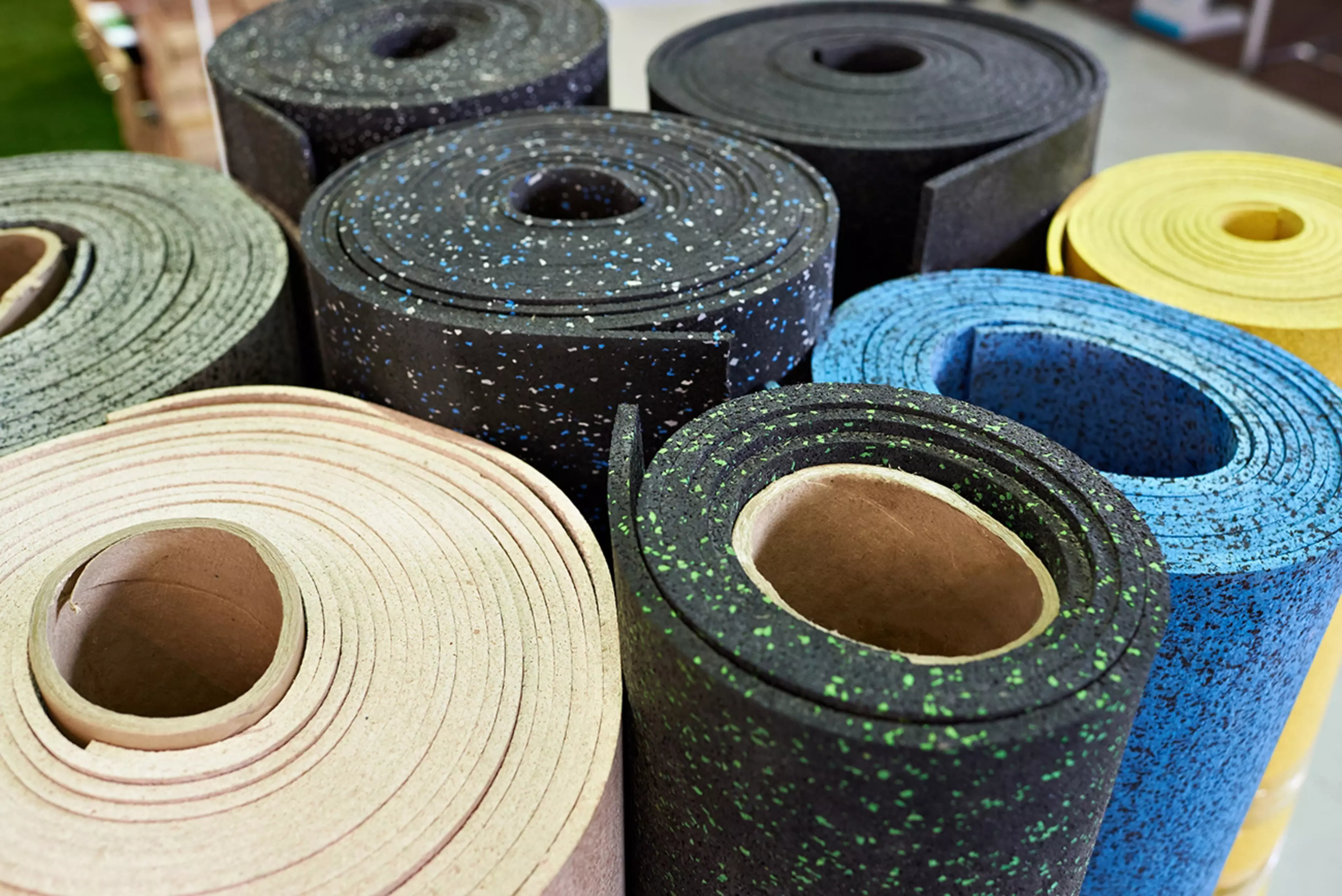
Ensure colour consistency between batches of coloured rubber compounds with accurate and user-friendly colour measurement instruments and software.
Colour measurement helps rubber manufacturers control batch-to-batch consistency in coloured rubber compounds, black rubber components, silicone materials and finished rubber parts. By turning visual appearance into objective colour data, manufacturers can monitor formulation changes, fillers, recycled content and process variation, reducing subjective approvals, rejects and customer disputes. This also helps organisations work more efficiently with supply chain partners.
Benefits of Colour Measurement for Rubber Producers
Using a spectrophotometer or colorimeter for rubber colour measurement produces objective, repeatable values (e.g., L*a*b* and colour difference) that helps teams control raw materials, compounding, and perform a data driven final QC. Even when producing functional black rubber components, measurement can reveal small colour shifts caused by formulation changes, recycled content, fillers, or process variation. Colour data helps producers to cut waste and reduce the time and cost impact of subjective visual assessments in batch release and approval with customers. For coloured rubber compounds, instrument-based colour quality control provides a shared, traceable standard for suppliers and customers, cutting time spent on disputes, rejects and approvals.
Konica Minolta is a solution provider, offering colour measurement instruments, colour data and matching software, innovative gloss meters, and controlled lighting cabinets for visual assessment.
Our experts can help you to implement measurement and control processes that will benefit your business.
- Improve product quality
- Reduce costs and waste
- Improve communication with supply chain partners, building relationships based on collaboration and improvement

Where Colour Measurement can be used in Rubber Production
Stage | What is measured | Why it matters |
|---|---|---|
Raw material inspection | Base polymer, fillers, pigments, recycled content | Detects variation before compounding |
Compounding | Mixed rubber compound, colour development | Confirms formulation consistency |
Curing / processing | Processed rubber sheets or samples | Detects colour shifts caused by processing |
Finished part QC | Seals, gaskets, profiles, moulded parts, silicone parts | Confirms product meets internal or customer tolerance |
Customer approval | Digital reports and colour difference data | Reduces subjective disputes and speeds release |
Common Challenges in Colour Control of Rubber Products
Colour of even black rubber should be consistent from batch to batch, with only small variations acceptable.
Digital colour data can be used to expedite the supply process, helping companies to react quickly to the market and reduce the risks associated with producing, shipping, and maintaining physical standards and subjective specification, and approval processes with customers.
Konica Minolta has a dedicated team of experts responsible for implementing, training, optimising, and customising systems for colour specification and digital colour data communication. Our experts can help your teams to establish digital colour standards and colour difference tolerances that you can share with your supply chain partners. You can leverage the experience of our application teams to quickly establish repeatable, best-practice processes for colour and appearance measurement and control.
By improving colour communication, owners can dramatically save time, and reduce waste and rejects.
Benefits
Drive rubber compound innovation with data-led colour control (new formulations, fillers, recycled content, pigments)
Maintain colour tolerances in line with your internal specification / customer requirements (batch-to-batch consistency)
Release batches faster and deliver colour “right first time” (fewer holds, quicker approvals, less rework)
Meet OEM and tier-supplier specifications with objective, traceable colour data (reducing disputes caused by visual assessment)
Reduce scrap and corrections across mixing, curing and finishing (detect and address colour and appearance shifts early)
Instruments
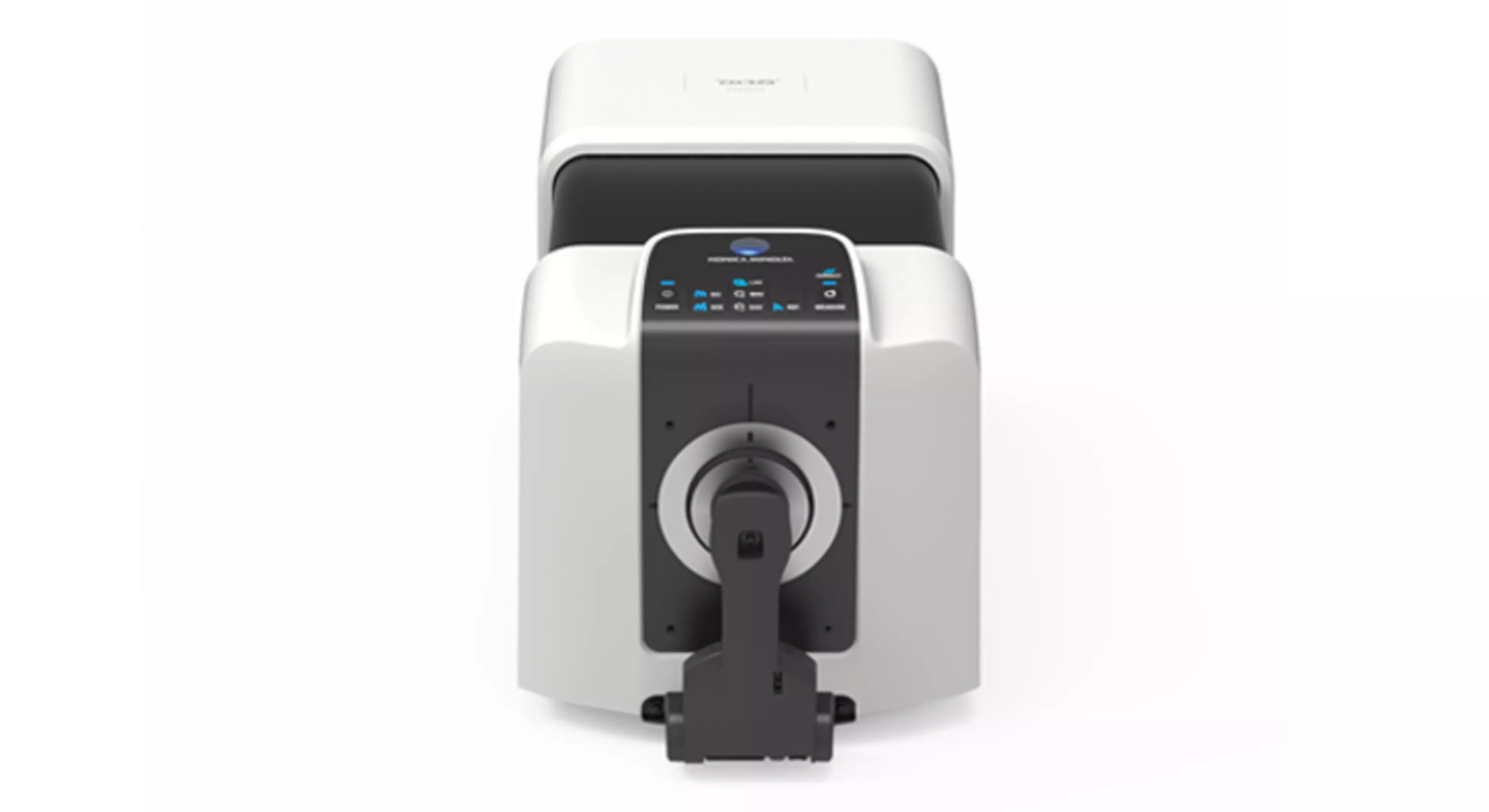
CM-36d Benchtop Spectrophotometer
The CM-36d spectrophotometer is a high-precision instrument for measuring colour in reflectance for a wide range of applications in plastic and rubber products. This device features status LEDs, sample positioning camera and flexible port alignment. Customers can utilise “Wavelength Analysis and Adjustment” to prevent inconsistency caused by drifts between annual calibrations.
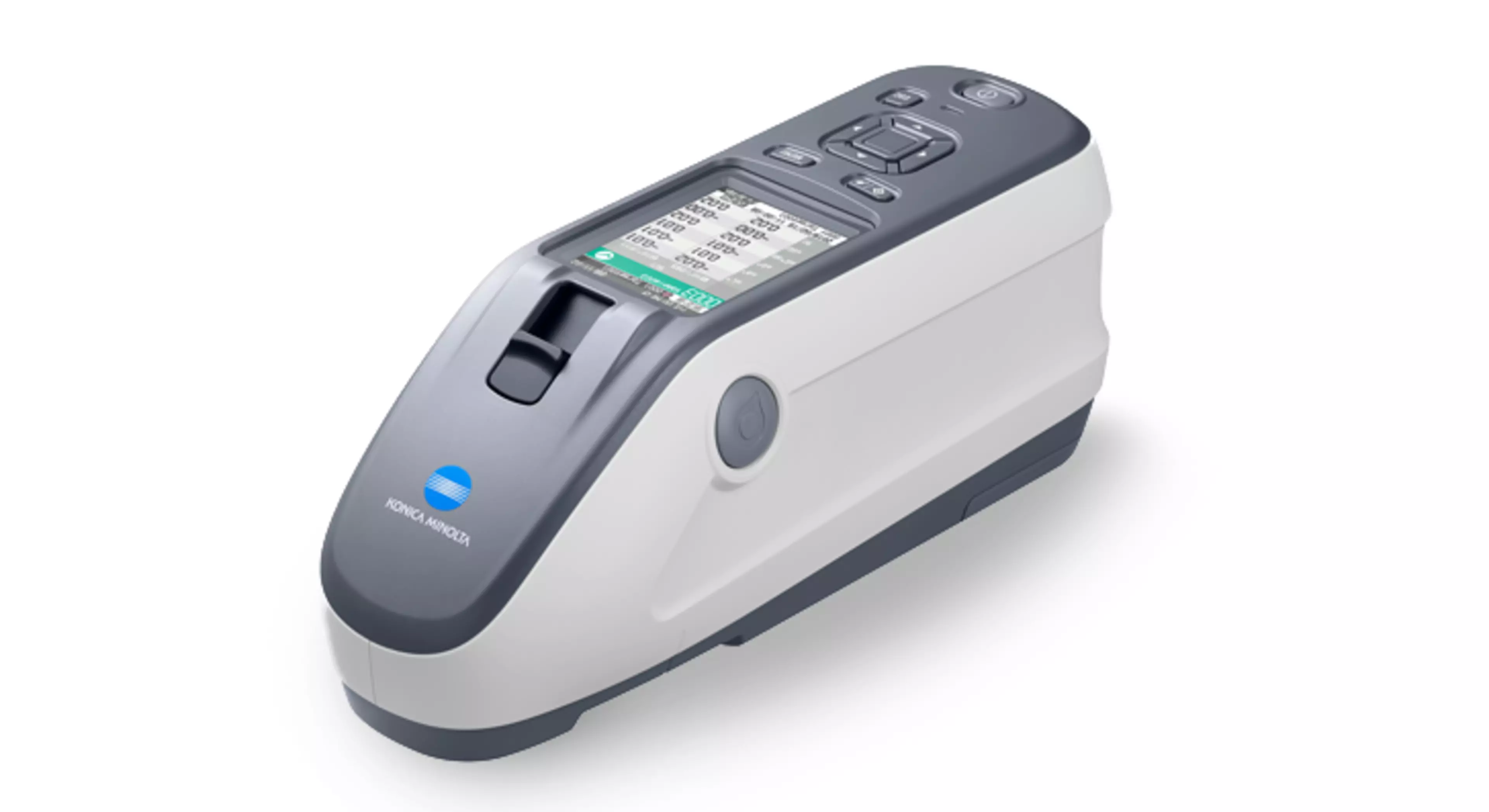
CM-26d Portable Sphere Spectrophotometer
The CM-26d portable spectrophotometer is an innovative spectrophotometer, delivering accurate and traceable colour data. It uses Konica Minolta's best ever user interface, horizontal alignment and lightweight ergonomic design, making it easy to operate so it is an ideal choice for applications in the field.
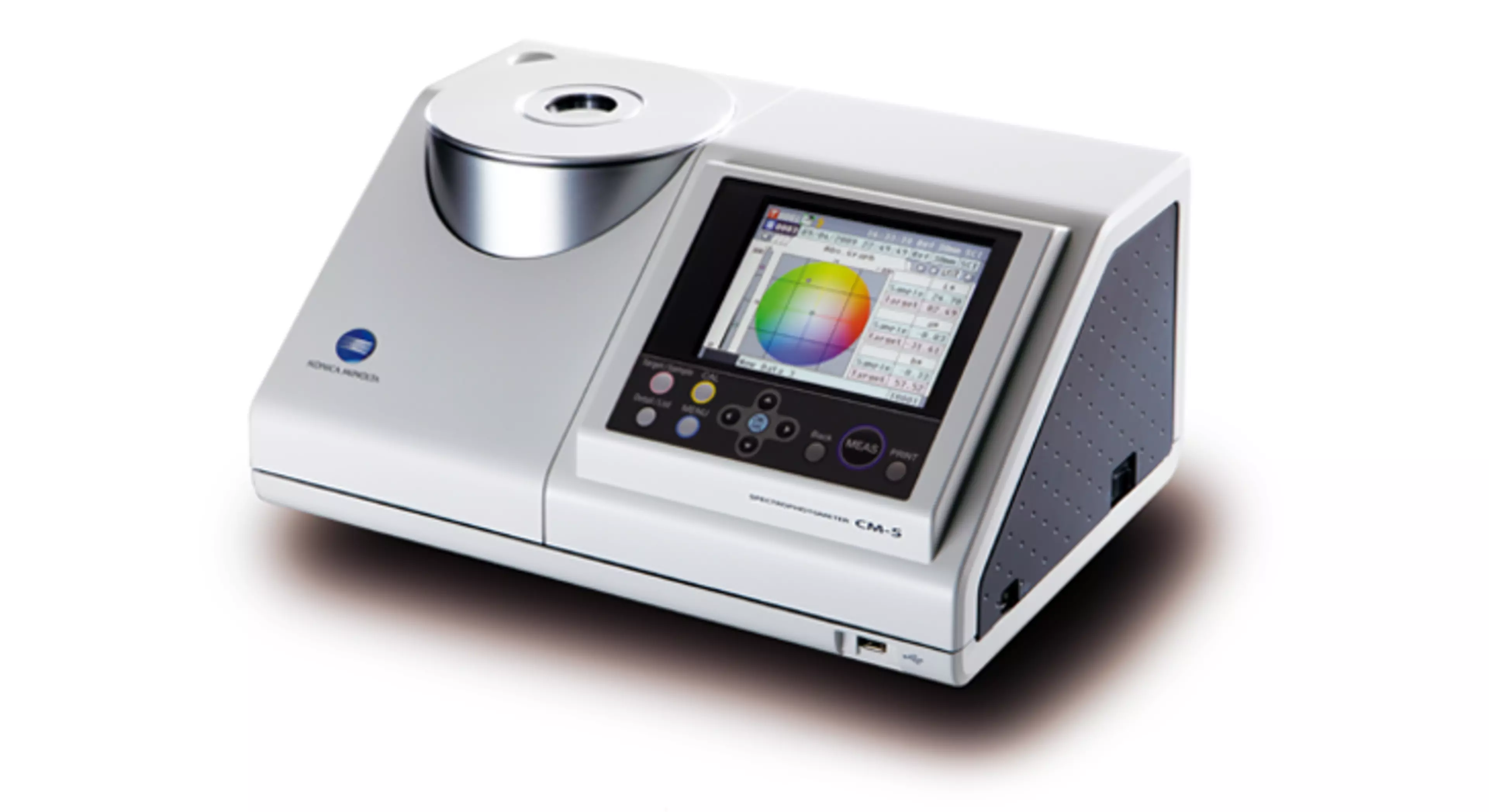
CM-5 Benchtop Spectrophotometer
CM-5 is a top port benchtop spectrophotometer with built in display and control panel, easy to operate and delivering clear and concise colour data. A versatile and reliable instrument for laboratory applications, it can be used to measure solid, granular, powdered samples, etc., in reflectance or transmittance.
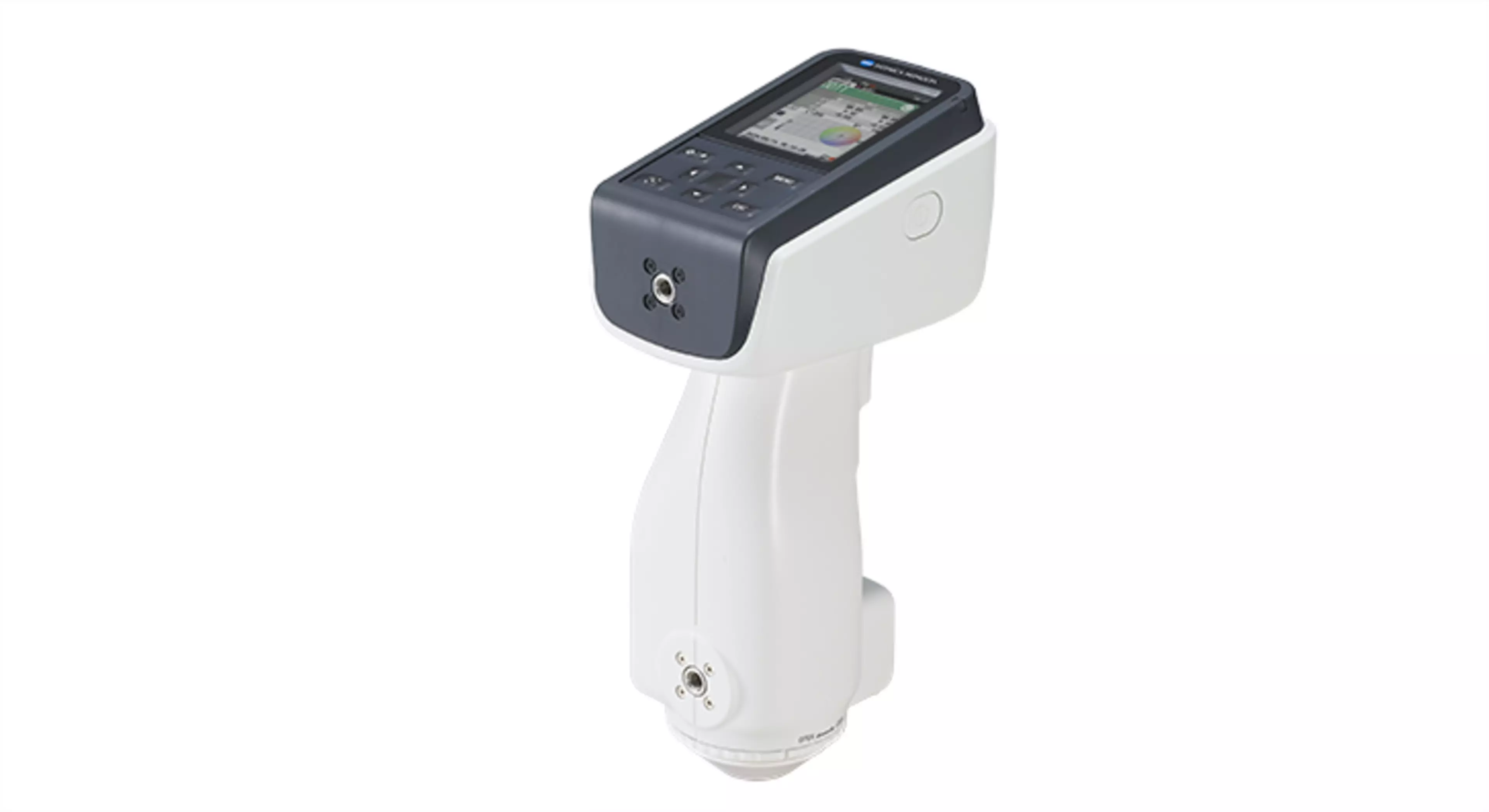
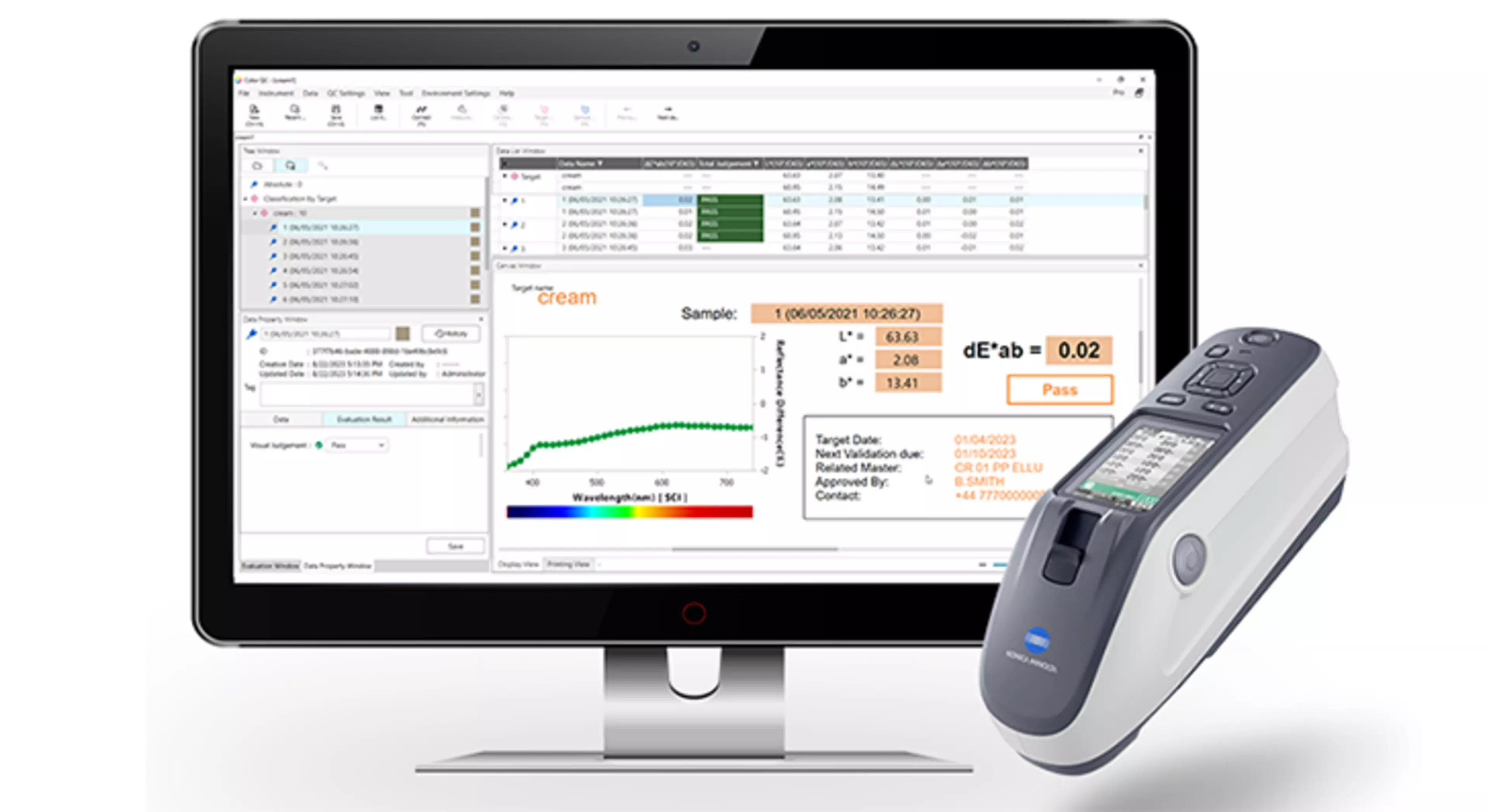
SpectraMagic™ NX2 Software
SpectraMagic™ NX2 is a colour measurement software package that can be used to interface with Konica Minolta Measuring Instruments and provides extended reporting and analysis of colour and colour difference. The user has full control of customisation of templates and reports.
Applications
Rubber Measurement
For fully opaque silicones, all benchtop and portable instruments are suitable, our prodict specialists, the best solution will depend on the homogenaity of the sample, the needs of the supply chain, the size and type of sample and environments where measurements are made.
For translucent applications, especially prosthesis materials, the CM-36dGV should be used as this will allow the operator to measure inside the sphere to minimise edge loss errors depending on translucency and sample thickness.
Ask our experts