Colour Measurement and Matching for the Plastic Industry
Accurate and traceable digital colour data for all plastic samples
How is Colour and Appearance Measurement used in the Plastics Industry?
Colour and appearance measurement is used in the plastics industry to quantify how materials and finished products look under defined conditions, objective data supports clearer and more precise communication with suppliers and customers. Plastic products are often judged by colour and appearance quality and consistency, so manufacturers need objective data to control appearance from formulation through to final quality control.
Colour measurement helps teams work accurately throughout the colour specification, production and approval process by providing colour and colour difference in standard colour spaces such as CIELAB, while also supporting industry standard and custom colour indices.
Context / stage | Typical samples | What is measured | Why it matters |
|---|---|---|---|
Incoming materials | Masterbatch, compounds, recyclate | Colour, colour difference and material consistency | Confirms materials meet specification before production |
Laboratory / development | Pigments, plaques, trial parts | Colour formulation and matching, process evaluations | Defines target colour and validates feasibility |
Production | Moulded parts, films, sheets, profiles | Colour and appearance (gloss, haze etc) | Detects variation caused by process drift, dosing errors, thermal degradation excess time in residence etc to maintain consistency during production |
Recycled materials | Flakes, pellets, regrind | Colour and classification | Supports sorting, reuse, and quality assessment |
Finished products | Components and assemblies | Colour and appearance | Confirms products meet customer and brand requirements |
For finished products, colour and appearance measurement provides a repeatable and objective way to check whether parts meet customer, brand or internal specifications. This is especially important where plastic components are assembled with parts from other suppliers, used in visible consumer products or combined with different materials such as paint, leather, textiles, glass or metal.
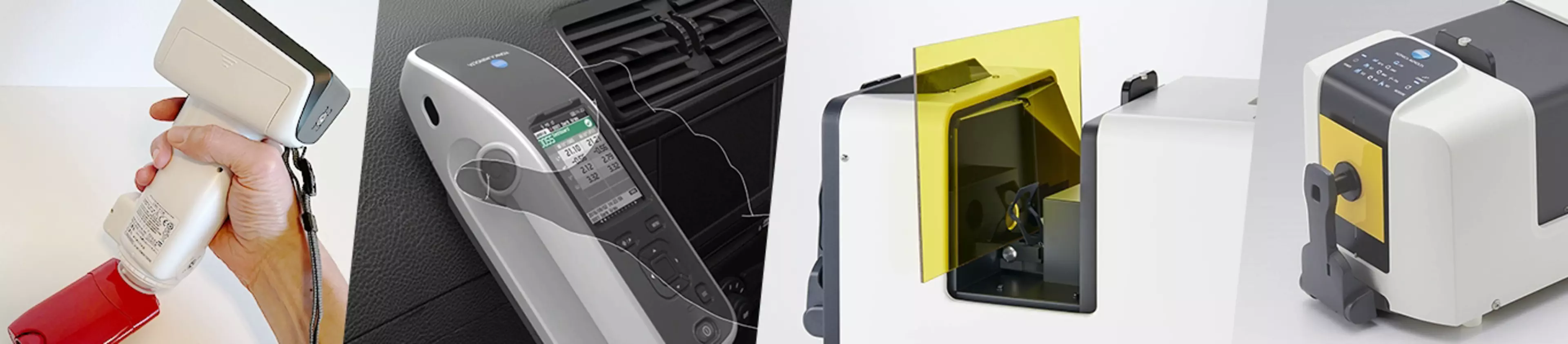
When designing, specifying, producing or approving colour in the plastic supply chain - from idea through design, development, production to a final quality control, our systems measure accurate and traceable colour data for all applications, from resins & pellets to final products. To match colours and meet colour quality standards more efficiently, Konica Minolta offers a wide range of solutions.
- High performance software
- Controlled lighting solutions
- Colour and gloss measuring instruments for the plastic industry
These solutions allow users to accurately evaluate and match the colour and gloss of plastics, ranging from transparent, translucent to opaque samples in a more streamlined process, both internally and throughout the supply chain.
A colour measurement system will also help supply chains to reduce the risks, costs and time associated with physical standards and human visual assessment. By measuring a target or standard colour using a traceable colour measurement instrument, production samples can be measured against a tolerance to the standard colour and any colour difference quickly identified. Konica Minolta instruments are renowned for superior Inter Instrument Agreement which means that even if the supply chain uses 10 measuring devices, the error between them will be extremely low.
Consistently producing plastic products in the correct colour will improve customer satisfaction whilst reducing costs and waste.
Benefits of Konica Minolta Measurement Technologies
Objective colour control from material to finished part
Measuring objective and traceable digital colour data at each stage of the process, from raw material and masterbatch through to final components, supports consistent product appearance and reduces reliance on subjective visual judgement.
Improved formulation and colour matching
Konica Minolta's colour matching software can help teams develop and correct recipes more efficiently to reduce trial-and-error matching and drawn out corrections. Our solution supports pigment optimisation and helps maintain colour accuracy across different materials or recycled-content levels.
Reduced waste, rework and rejects
By identifying out of tolerance colour difference earlier, manufacturers can take corrective action before large production volumes are affected. This reduces waste, reprocessing, customer complaints and avoidable downtime.
Support for transparent, translucent and opaque plastics
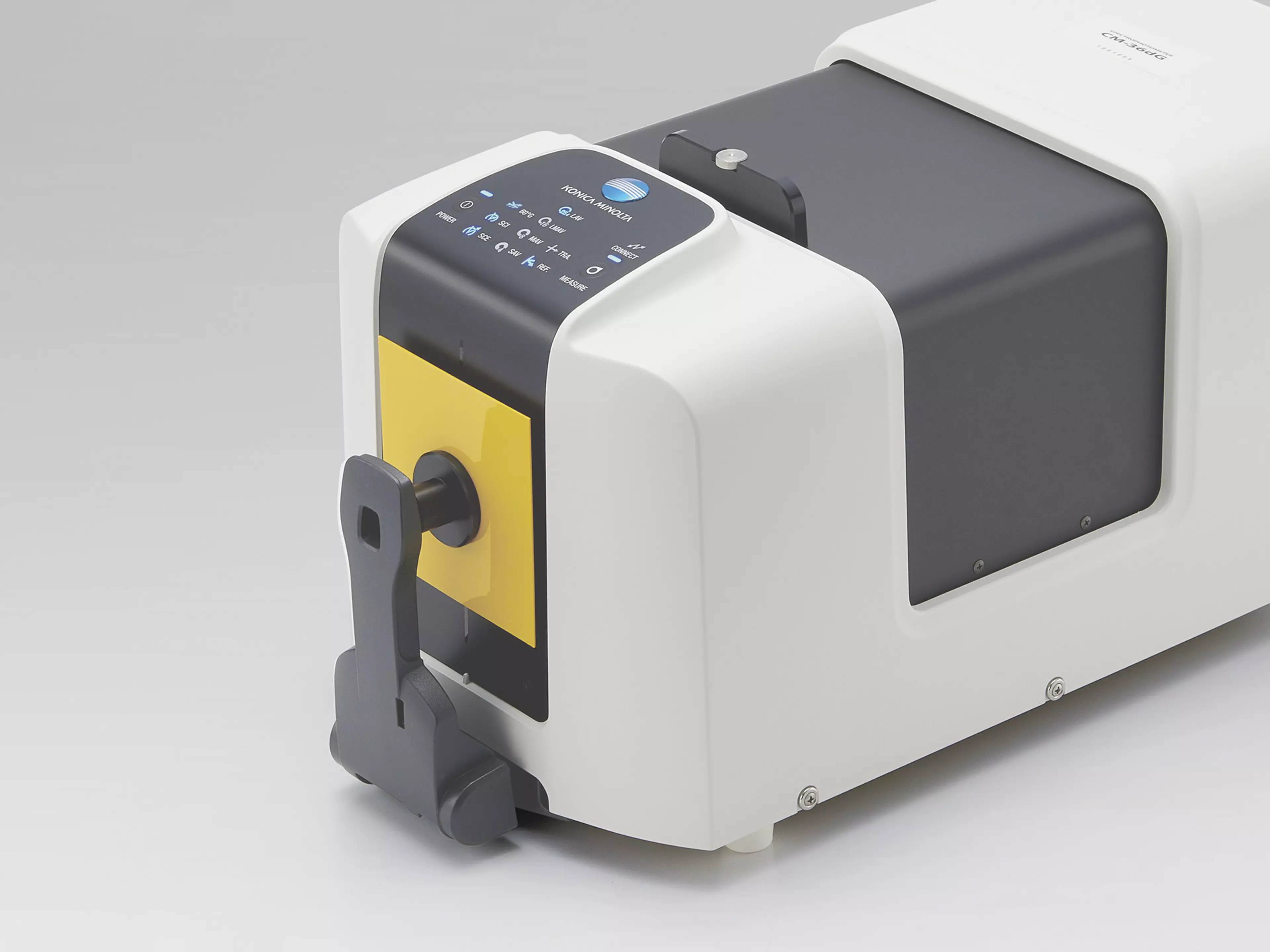
Konica Minolta benchtop spectrophotometers support both reflectance and transmittance workflows. Whatever your sample type from pellets to preforms, our experienced teams can help you implement a system for measurement.
Colour and gloss measurement in one workflow
For plastic parts where surface finish influences perceived colour; simultaneous colour and gloss measurement can improve workflow efficiency and reduce sample presentation errors. This is valuable for most highly visible and high value plastic components.
Better supply-chain communication
Traceable digital colour data allows suppliers, manufacturers and customers to compare measurements using agreed conditions and tolerances. This improves approval processes and reduces disagreement caused by visual assessment and physical master standards.
Support for recycled plastic materials
Recycled polymers typically show greater colour variation than virgin materials. Spectral data helps classify incoming recyclates, monitor base colour, adjust formulations and maintain finished product appearance while supporting sustainability targets.
Example Applications of Colour Measurement in Plastics Manufacturing
Masterbatch and compound colour control
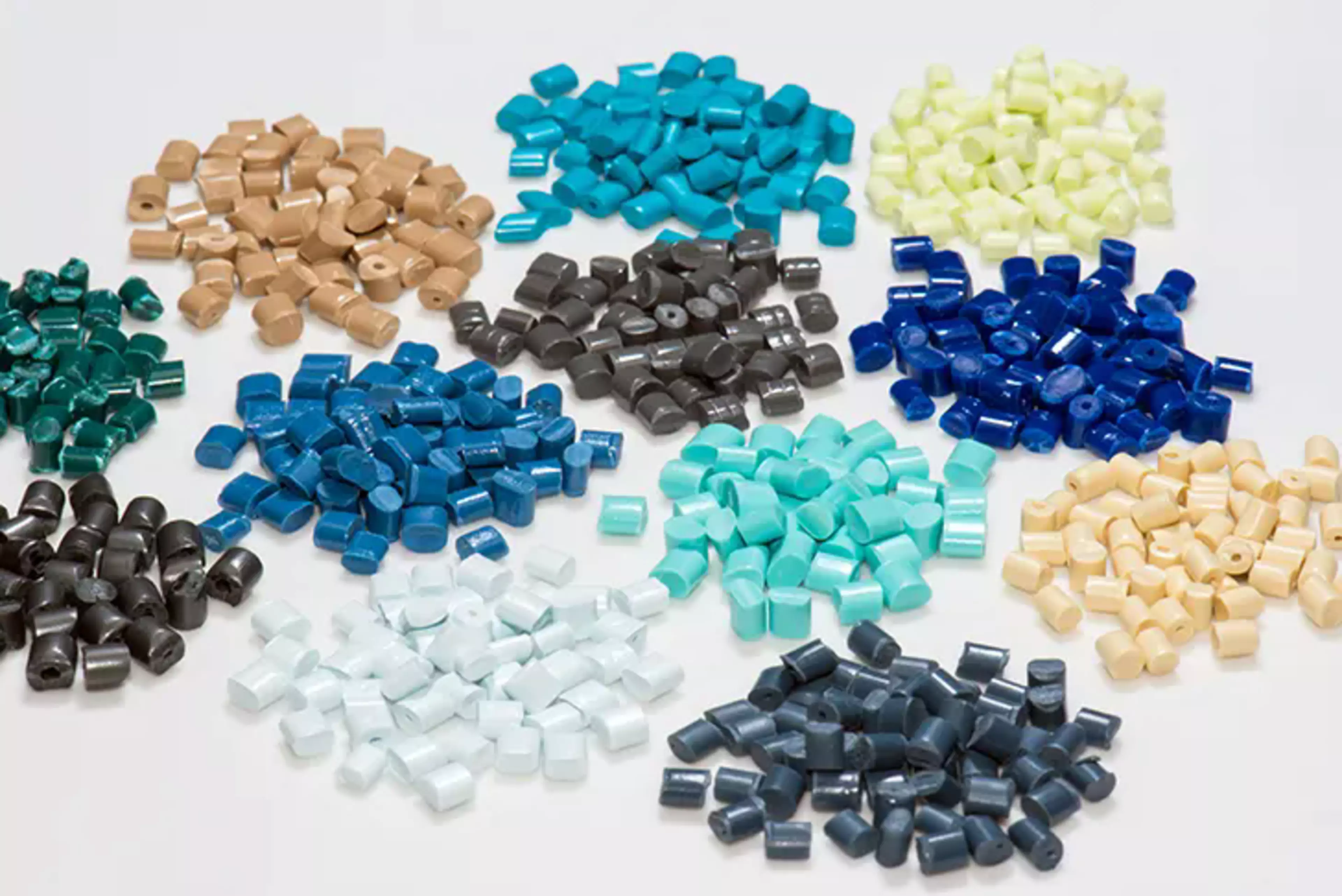
Spectrophotometers are used to measure masterbatch, compound material and colour plaques during development and production. Colour data helps control pigment strength, substrate influence and batch-to-batch consistency before material is released for moulding or extrusion.
Incoming material inspection
All materials can be checked at goods-in against agreed standards. This helps identify supplier variation, contamination, ageing, yellowing or 0ut of specification material before it enters production.
Plastic part verification
Portable or benchtop instruments can be used to check parts against customer or internal specifications. Measurements help detect colour shifts caused by material or process changes.
Extruded profiles, sheets and films
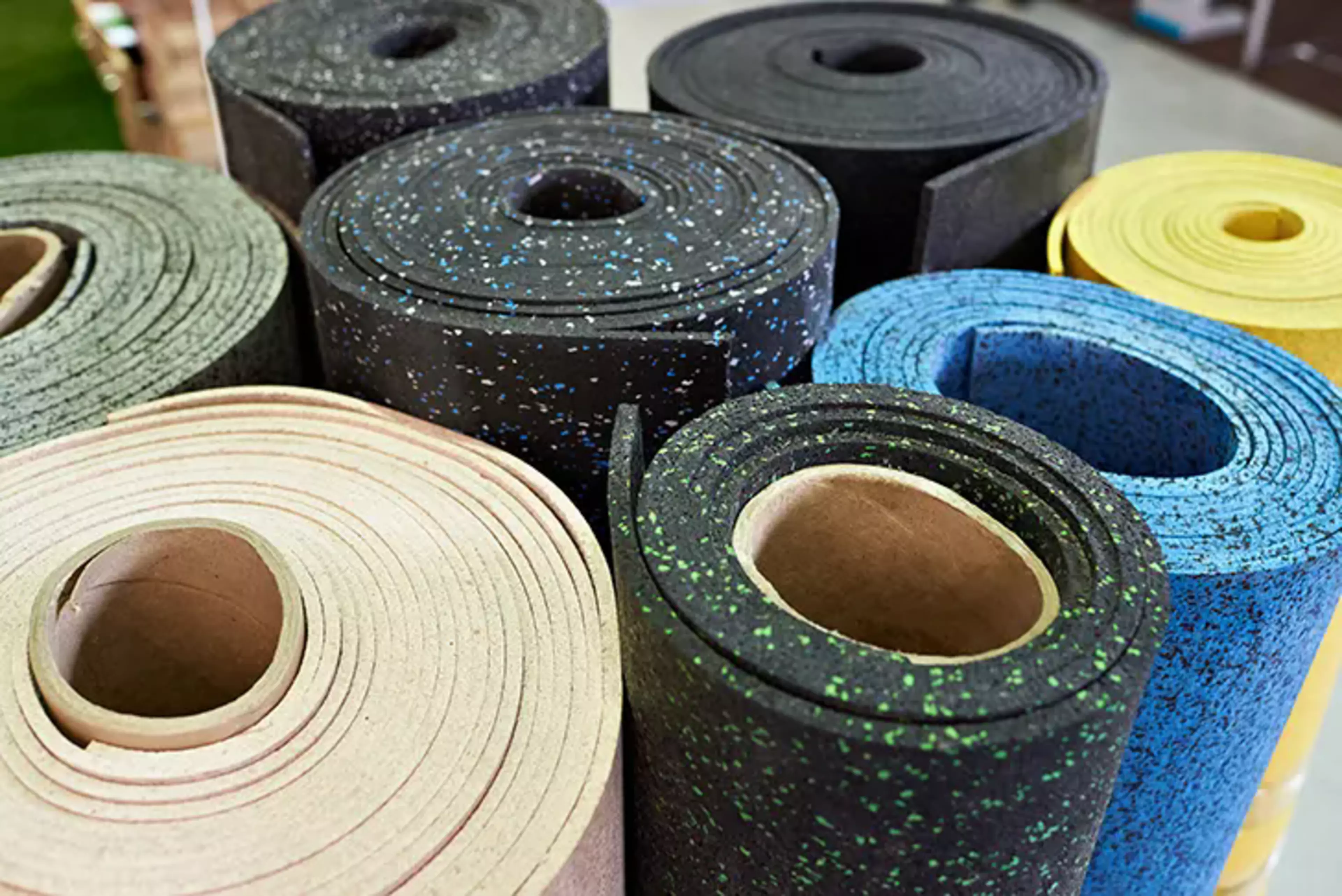
Colour measurement supports the QC of extruded plastic products. Depending on opacity and thickness, samples can be measured in reflectance or transmission.
Transparent and translucent plastic measurement
Benchtop spectrophotometers with transmission capability can be used to measure clear, tinted or translucent plastics. This is important for packaging and other plastic products where transmitted colour, clarity or opacity affects perceived product quality.
Gloss and texture evaluation
Gloss meters and appearance instruments can be used to quantify surface finish, helping teams control mould texture, polishing, high-gloss finishes and visual harmony between parts. This is especially useful where plastic components are assembled next to painted, coated, metal or textile materials.
Automotive interior plastics
Automotive interiors often combine multiple plastic types, textures and suppliers. Colour and gloss measurement helps ensure visual harmony across the entire automotive interior finish.
Consumer products and brand consistency
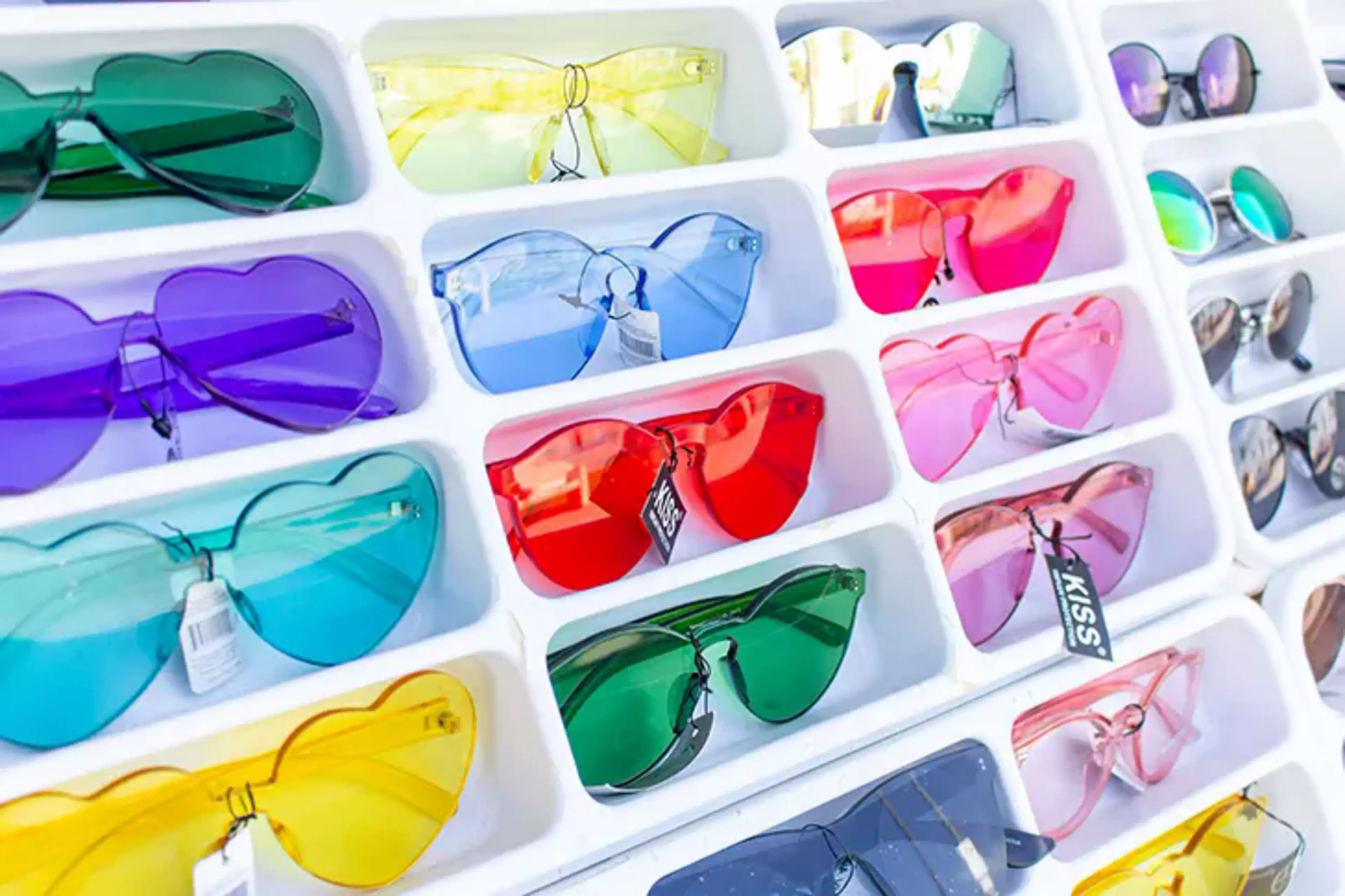
Plastic parts often carry strong brand and quality expectations. Colour measurement helps ensure that products remain visually consistent across batches, production sites and suppliers.
Recycled-content plastic products
When virgin material is replaced or blended with recycled polymers, colour measurement helps monitor base material variation and adjust formulations. This supports consistent appearance while helping manufacturers increase recycled content and reduce material waste.
Solutions for the Colour Measurement of Plastics
Select one of the following links for specific recommendations, application notes and case studies.