• Colour and Surface Measurement for Building Materials

    Scalable colour and surface measurement solutions for concrete, wood, tiles, metal, glass, ...

    Workers inspecting a stone countertop sample

How is Colour Measurement used in the Manufacture of Building Materials

Colour and appearance are critical quality attributes in building materials, conveying not only aesthetic appeal but also perceived durability, consistency and brand value. Whether producing concrete, plastic pipes, ceramic tiles or architectural surfaces, manufacturers must ensure that colour remains consistent across batches, production sites and over time.

Colour measurement enables building material manufacturers to define, communicate and control colour standards throughout the entire production process, from raw material selection and formulation through to manufacturing and final quality control. By replacing subjective visual assessment with objective, traceable data, manufacturers can detect deviations early, reduce waste and ensure reliable, repeatable results.

Using a spectrophotometer or chroma meter with colour data software, colour can be measured accurately across a wide range of material types and surface finishes, including textured, glossy or transparent samples. This allows manufacturers to maintain consistency across diverse product portfolios and supply chains, ensuring that finished materials meet both specification and customer expectations.

How Colour Measurement works in the Building Materials Industry

In the building materials industry, colour measurement is used to specify, communicate, produce and control colour across materials that are often highly variable in composition, texture and environmental exposure. From pigments and raw materials through to finished products such as tiles, concrete and façades, objective measurement can help produce and report colour that remains within defined tolerances throughout manufacturing.

Spectrophotometers allow manufacturers to measure precise colour data from production samples and compare it against approved standards and colour difference tolerances. These measurements can be taken in the laboratory, in production or in the field, enabling regular control of colour throughout manufacturing. Colour data software can help teams can track variation, apply realistic tolerances and inform immediate adjustments to processes or formulations to ensure consistent colour and appearance at QC.

Building materials present unique challenges for colour control. Natural variation in raw materials, textured or uneven surfaces, and differences in gloss or finish can all influence perceived colour. In addition, environmental factors such as light exposure, weathering and ageing can effect the appearance over time. Objective colour measurement allows manufacturers to simulate, monitor and compensate for these effects, ensuring that products maintain their intended appearance both at installation and throughout their lifecycle.

Colour measurement can also help implement processes such as shade sorting, where products like tiles or panels are grouped based on small colour differences to ensure visual uniformity when installed. Colour data allows supply chains to work traceably with parameters such as Light Reflectance Value (LRV) to meet architectural, safety or regulatory requirements, particularly in applications where brightness, heat absorption or visibility are critical.

By replacing subjective visual checks with measurable, repeatable data, manufacturers can confidently manage colour across complex product ranges and supply chains. This improves consistency, reduces rework or waste, and ensures that building materials meet both functional requirements and aesthetic expectations.

Why Colour Measurement Is Critical in the Building Materials Industry

Colour control is essential in the building materials industry where products are often used in large formats, viewed over wide areas and expected to remain visually consistent over long periods of time. Even small colour differences can become highly visible when materials are installed across large surfaces such as façades, flooring or wall coverings, making tight control critical to perceived quality.

Building materials are exposed to a wide range of environmental conditions both throughout the day and throughout their lifecycle, impacting their current and future appearance. Natural daylight varies significantly depending on time of day, season and geographic location, while artificial lighting conditions can further influence how colour is perceived. During the product's lifetime, exposure to sunlight, weathering, moisture and ageing can all impact its physical appearance. Colour measurement enables manufacturers to understand, monitor and control these effects, ensuring that products maintain their intended appearance in real-world conditions.

Consistency is vital across batches, production runs and installation phases. Materials such as tiles, concrete elements or panels are often produced and delivered over extended periods, and must match seamlessly when installed. Objective colour data allows manufacturers to define tolerances, perform shade sorting and ensure visual harmony across products, even when produced at different times or locations. A single bad batch or customer complaint can cost the producer's customer time and money, quickly damaging the producer's reputation.

In many applications, colour is not only aesthetic but also functional and regulated. Parameters such as Light Reflectance Value (LRV) are used in architectural design, safety standards and accessibility guidelines to influence brightness, contrast and visibility. International standards and industry guidelines (such as ISO, ASTM or regional building regulations) increasingly require traceable colour data to demonstrate compliance and performance.

By replacing subjective visual assessment with objective, traceable data, colour measurement enables manufacturers to control variation, reduce waste and ensure consistent results across complex materials and environments. This supports higher quality outcomes, improved efficiency and greater confidence across the supply chain.

Technologies used for colour measurement and control in the Building Materials industry

A range of measurement technologies are used in the building materials industry to accurately record colour across materials that vary widely in composition, texture and finish. The choice of instrument depends on the application, from laboratory formulation and standard setting through to production control and quality control.

For precise colour control across coatings, plastics and glass

Spectrophotometers are used where accurate, traceable colour data is required to define and maintain colour standards. They enable manufacturers to measure and control colour throughout development, purchassing and production, ensuring consistency across batches, sites and suppliers.

In building materials, they are particularly valuable for coatings, pigments, plastics and ceramics, where small colour differences must be controlled tightly. Instruments that measure both colour and gloss simultaneously provide a more complete understanding of surface appearance, especially for finishes where gloss influences perception.

Read more about measuring opaque building materials.

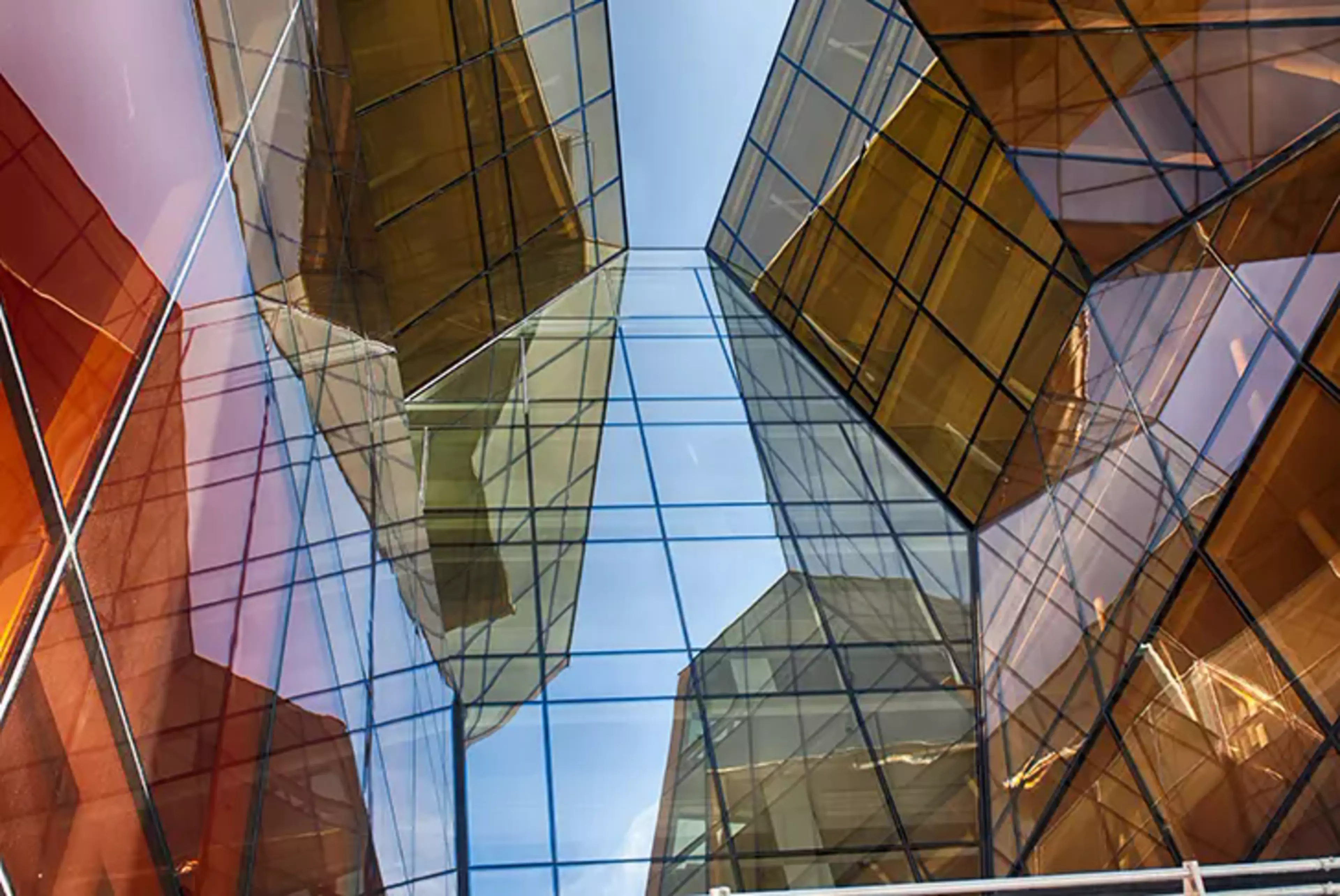
They are also used for transparent and translucent materials such as glass, where transmittance measurement allows manufacturers to evaluate both colour and light passing through the material.

Read more about measuring the colour of transparent materials.

For textured, natural and inhomogeneous materials

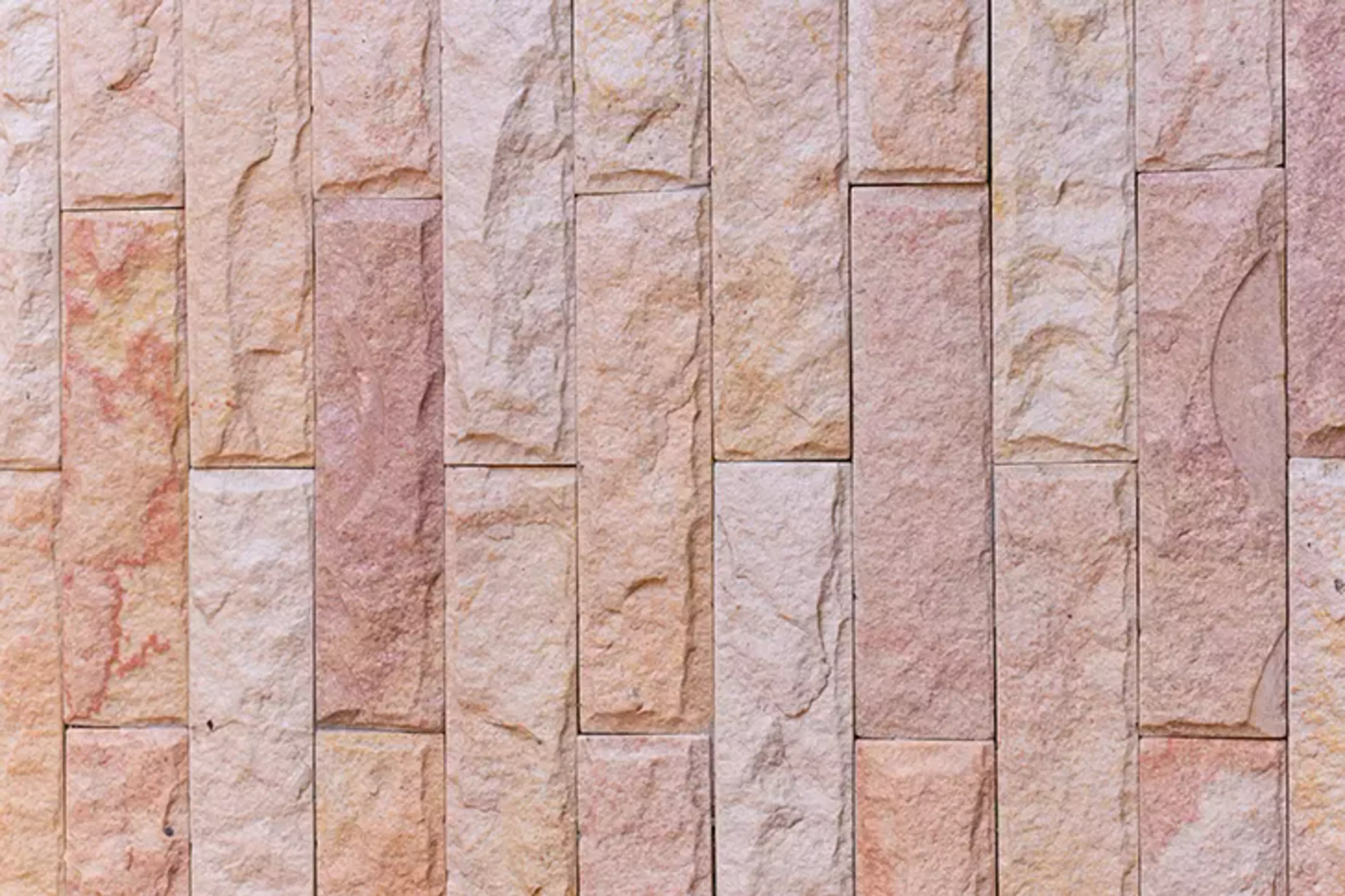
Chroma meters (colorimeters) are well suited to materials such as wood, concrete, cement and stone, where surface variation and texture make consistent measurement that correlates with human perception more challenging.

Using larger measurement apertures, these instruments average colour data across a wider area, providing a more representative result for materials that are not visually uniform. This makes them particularly effective for production environments where fast, repeatable measurements are needed to support quality control and shade consistency.

Read more about measuring the colour of textured materials.

For laboratory reference and standard creation

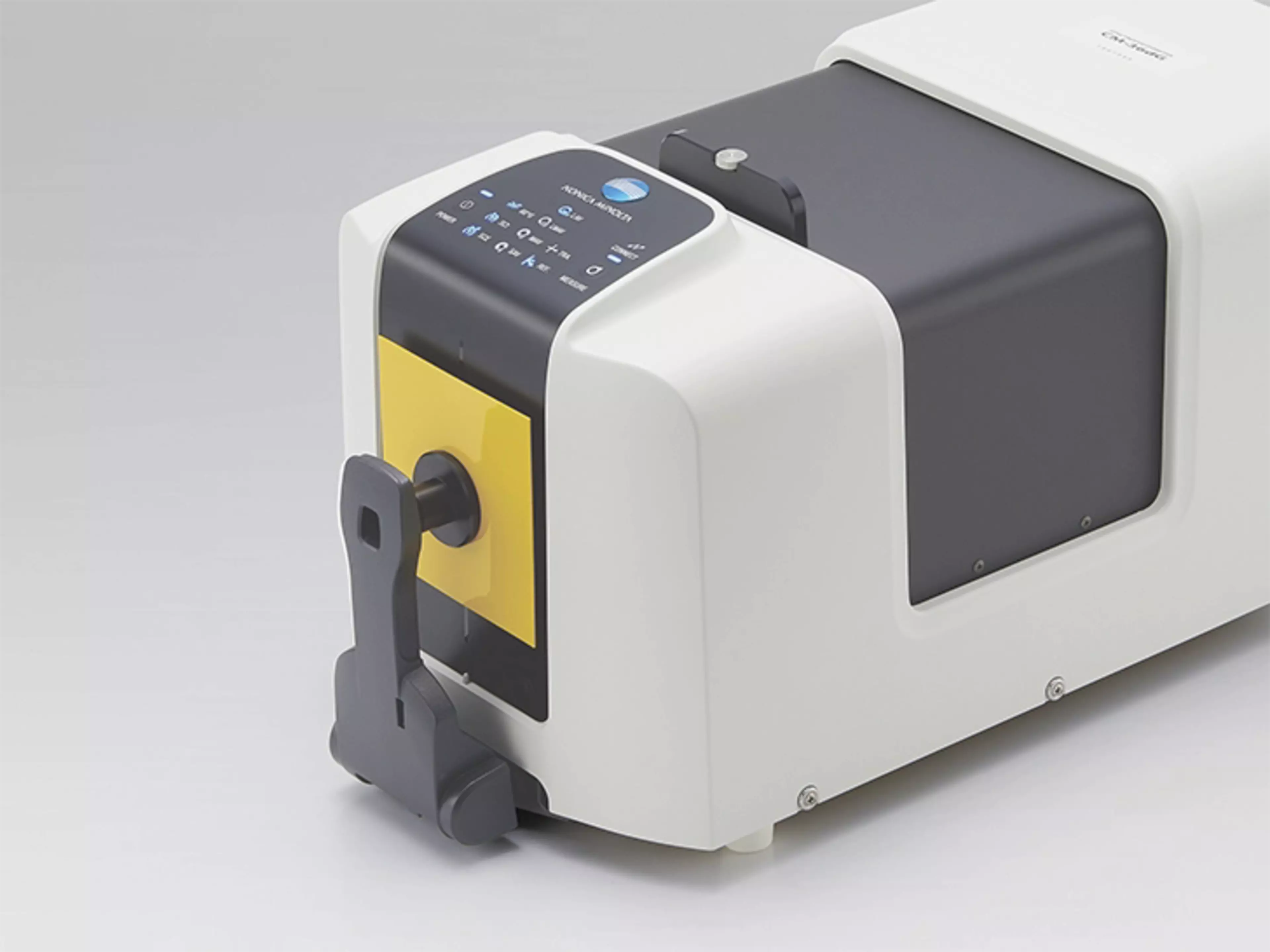
Benchtop spectrophotometers are used where the highest levels of accuracy and repeatability are required. They are typically deployed in laboratory environments to establish colour standards, calculate formulations and act as a reference for production measurements.

By providing repeatable and consistent data, these instruments support alignment across production sites and supply chains, ensuring that all measurements relate back to a single, traceable standard.

For managing colour data across processes and supply chains

Colour measurement instruments are supported by software solutions that enable manufacturers to analyse, communicate and report colour data throughout R&D and production.

These systems allow teams to define standards, apply tolerances and share data across departments and suppliers, reducing ambiguity and improving consistency. By integrating measurement into digital workflows, organisations can improve traceability, reduce errors and make faster, more informed decisions.

Colour measurement, using either a spectrophotometer or tristimulus colorimeter (depending on the sample), will allow producers to offer customers a consistent product with a higher perceived quality and therefore value. The application specialists at Konica Minolta have a vast experience of building product applications including:

  • Concrete and cement,
  • Industrial metalwork,
  • Slate,
  • Colour matched grouting, etc
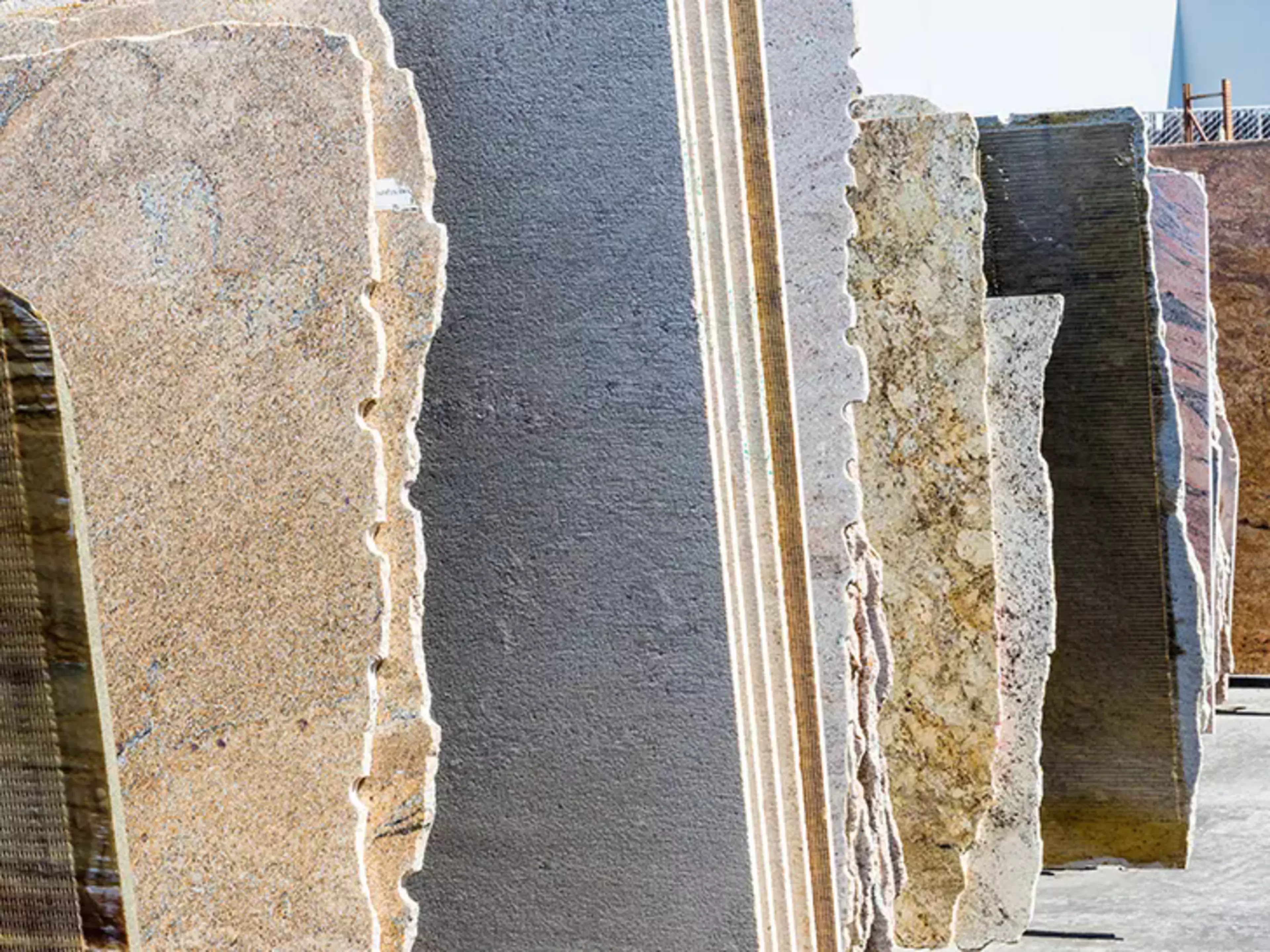
Stone construction samples in a row
Colour control is a vital tool in the construction materials industry

Why choose Konica Minolta for colour and surface measurement of building products

Konica Minolta has a global reach, with local sales and expertise to assist you in establishing a successful digital colour data system. Whether between supply chain partners, in development, in production or in QC, our teams can deliver a solution that meets your needs, and partner with you to scale that system as those requirements grow. Our solution is supported by a dedicated team experienced in installation, training, and customization of the solution to optimise your colour workflows.

Konica Minolta products are supported by an extensive network of authorised service facilities to ensure that your instrument is maintained, accurate, and traceable all year round.

Key Benefits of Colour and Surface Measurement in the Building Products Industry

Produce consistent quality

Ensure reliable batch-to-batch consistency that meets both visual expectations and measurable tolerances. By replacing subjective assessment with objective colour data, you improve product quality, strengthen brand perception, and reduce costly returns or rework.

Use colour as a sales and differentiation tool

Accurate colour matching supports customisation, allowing you to respond to trends or new customer specifications. A repeatable and documented colour process allows you to confidently deliver consistent, market-ready products that meet both B2B requirements and consumer expectations.

Reduce waste and improve efficiency

Detect even small colour deviations quickly and objectively, especially critical for large-format products where differences are more visible. Early detection of off-spec production reduces scrap, minimises rework, and improves overall manufacturing efficiency. Colour measurement systems are proven to reduce waste and save time across development and production.

Deliver colour as a value-added service

Strengthen relationships with customers and suppliers by communicating colour using traceable, digital colour data. Providing measurable, agreed standards reduces disputes, improves transparency, and positions your organisation as a reliable, quality-driven partner across the supply chain.

Turn weathering performance into a competitive advantage

Quantify how products respond to light, time, and environmental exposure using colour data. This enables R&D teams to improve formulations and durability, while providing sales and marketing with measurable proof of performance, supporting stronger claims around quality, lifespan, and reliability.

Example Applications of Colour Measurement in Building Materials

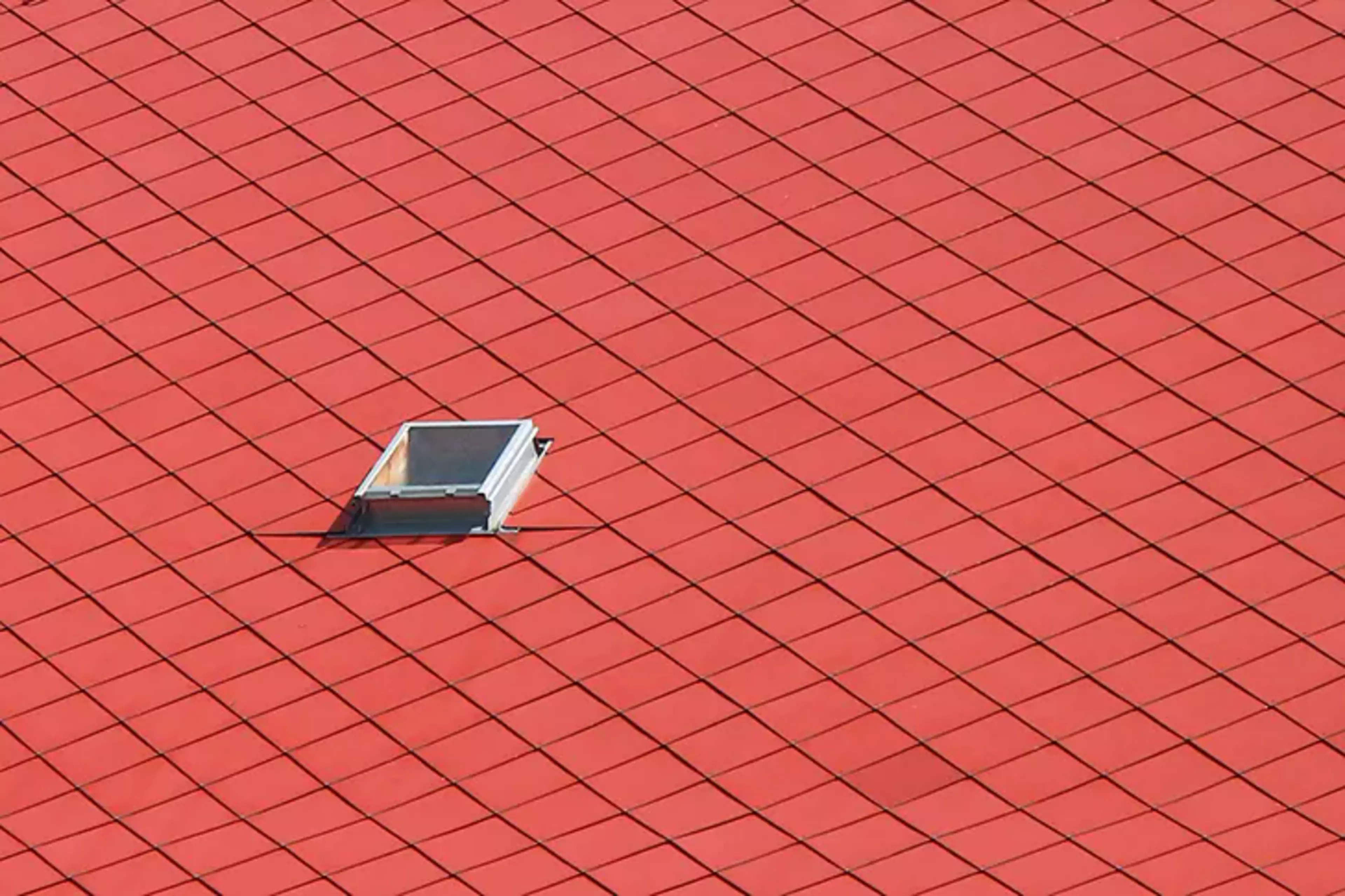
Consistent colour and gloss control for roof tiles

Ensure consistent appearance across production batches by measuring and controlling both colour and gloss. By defining, maintaining and agreeing tolerances, manufacturers can deliver reliable products that meet specification, reducing disputes and rework.

Shade sorting for wood and natural materials

Implement shade sorting systems to group products such as wood flooring based on small colour variations. This ensures visual harmony during installation, reduces rejects and returns, and can support optimisation of filler colours to further minimise waste.

Expanded colour ranges for sealants, grouts and coatings

Enable the efficient development and production of wider colour ranges by using objective colour data for formulation and control. This allows manufacturers to confidently meet customer specifications and respond to trends while maintaining consistency from batch to batch.

Quality control of façade panels and architectural elements

Maintain consistent colour across façade panels, cladding and other large-format building materials. Measurement systems ensure products meet customer specifications and provide visual uniformity across installations, even when produced across different batches or sites.

Solutions for Colour and Gloss Measurement of Building Products

The links below will show you more application specific recommendations of products, accessories, software and approaches relevant to distinct areas of the building products industry. You can also contact your local representative for advice or a quotation.
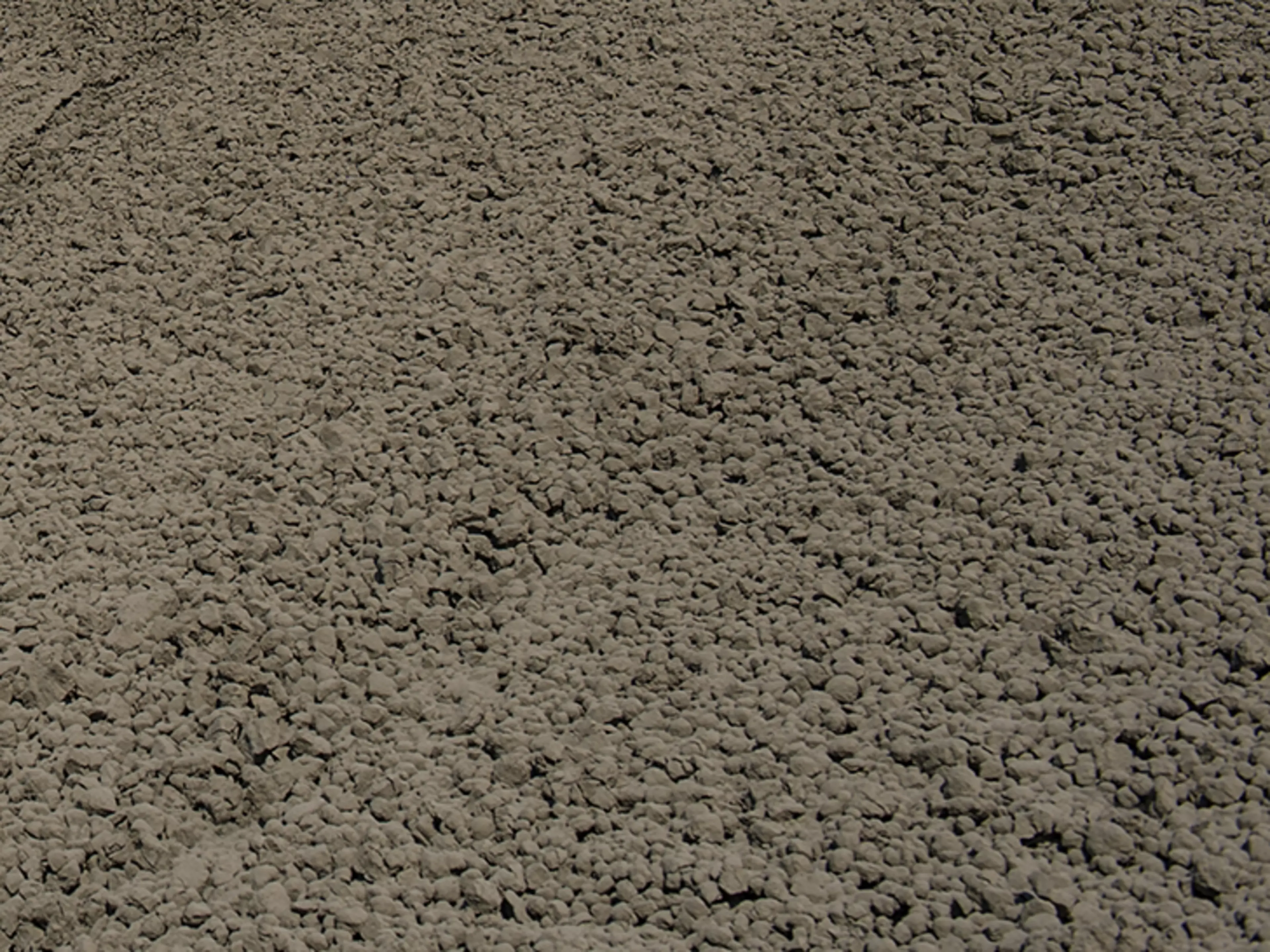
Colour Measurement of Powdered Raw MaterialsHeroSlider
Colour Measurement of Powdered Raw Materials

The colour of powdered raw materials will ultimately effect the materials that they are used in or the finished material once mixed, wet or applied.

Colour and Gloss of Opaque Building MaterialHeroSlider
Colour and Gloss of Opaque Building Material

Colour and gloss measurement of solid building products covers a huge array of product types, everything from wood, stone, metal, builders ware and other plastics. As colour difference is more easily noticable on larger surfaces, manufacturers implement colour QC to deliver a consistent product to customers. 
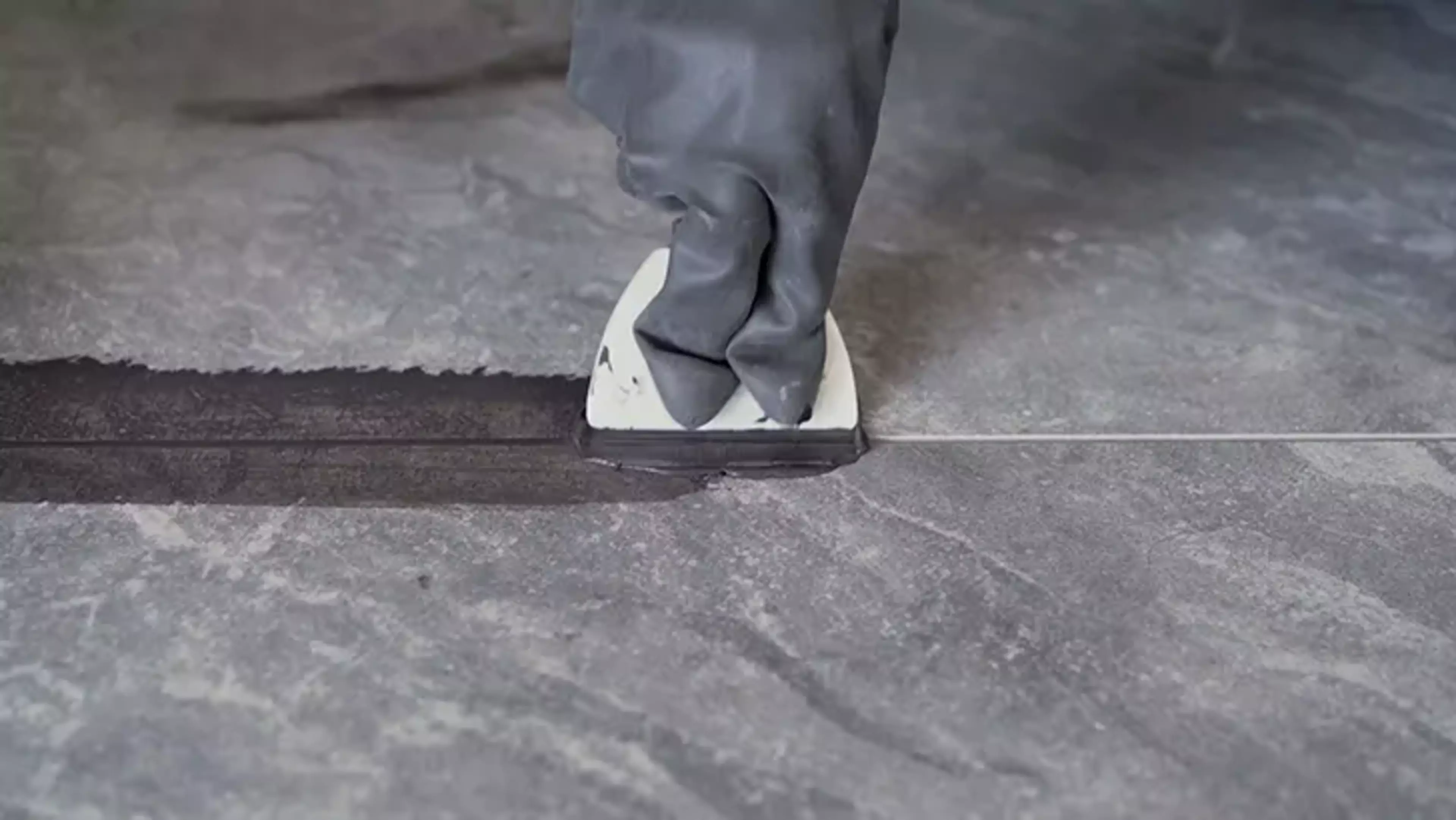
Colour and Gloss Measurement for Sealants and AdhesivesHeroSlider
Colour and Gloss Measurement for Sealants and Adhesives

Sealants and adhesives are controlled for colour as they are commonly utilised for either matched or contrasting colour. Batch to batch consistency and stability is important for consumers and construction professionals.

Colour Measurement for Textured MaterialsHeroSlider
Colour Measurement for Textured Materials

Materials with surface texture must be controlled in much the same way as other solid products but with added consideration for any directionality of the surface. Some samples may benefit from a different measurement geometry or a larger measurement apeture.

Colour and Gloss Measurement for Transparent Buildng MaterialsHeroSlider
Colour and Gloss Measurement for Transparent Buildng Materials

Products such as coloured glass, films and transparent plastics are often used in commercial building projects to add flair and visual appeal. Like any other product, their development and processing can be controlled to maximise the percieved quality of the finished product.