Colour measurement solutions for the food industry
Colour quality control and development solutions for virtually all food products.

How is colour measurement used in the food and beverage industry
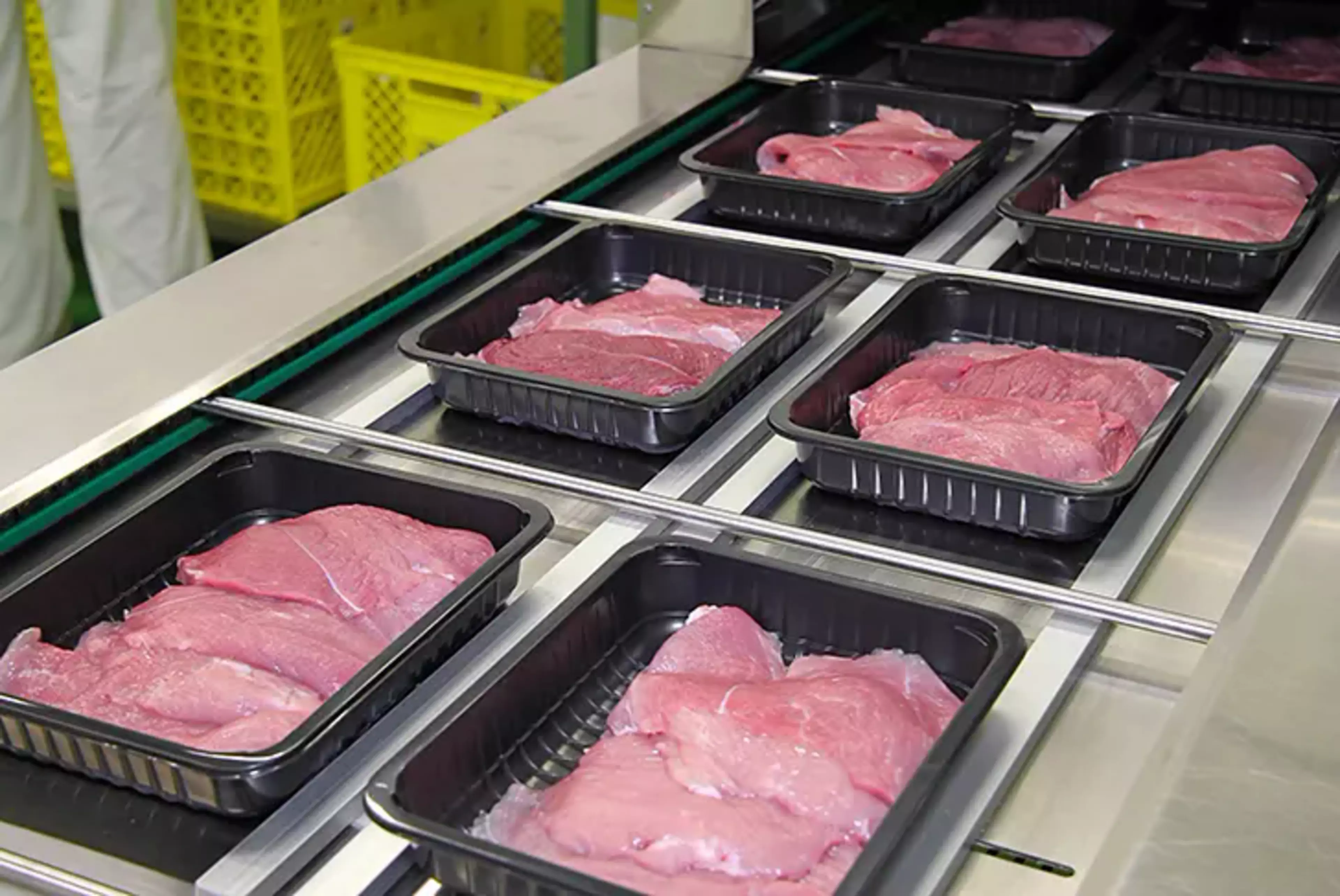
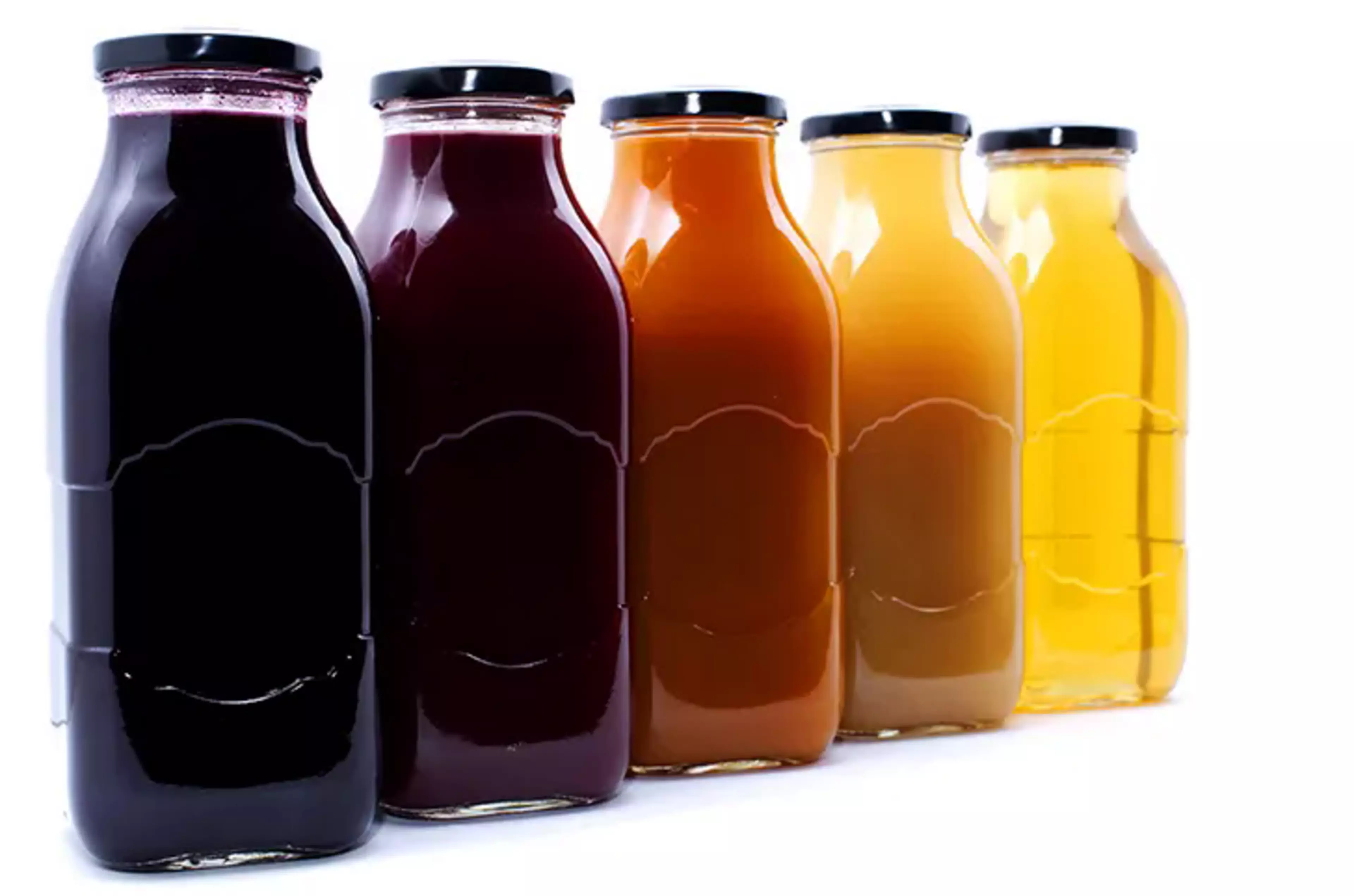
In the food and beverage industry, colour measurement instruments are widely used to develop and produce products that are appetising and consistent. Colour can help products to blend in and fit in with competitors and expectations but used correctly colour can also help brands to stand out and diversify themselves.
Stage / context | Typical samples | Measurement focus | Why it matters |
|---|---|---|---|
Development & formulation | Ingredients, blends, trial products, competitor product | Colour specification, optimisation, statistics for colour with time, temperature etc | Achieves the target appearance and supports product development |
Raw materials & inputs | Agricultural products, ingredients | Colour consistency to agreed specifications | Ensures materials meet specification before processing |
Production & processing | Batches, in-process samples | Process control | Enables real-time adjustments to maintain consistency |
Finished products | Packaged food, retail products | Colour quality control | Confirms products meet quality standards and expectations |
Sorting & grading | Produce and bulk products | Colour classification | Supports grading, sorting and compliance with standards |
In practice, colour measurement in the food industry is used as both a quality control tool and a process indicator. Changes in colour can reflect variations in raw materials, processing conditions or product age, making colour data a fast and reliable way to monitor consistency and detect issues early. By implementing objective measurement across development, production and quality control, manufacturers can reduce reliance on subjective visual checks, improve communication with suppliers and partners, and maintain consistent product appearance at scale. This supports not only compliance with internal or external standards, but also stronger brand recognition and customer trust, where even small visual differences can influence perception of quality, freshness and taste.
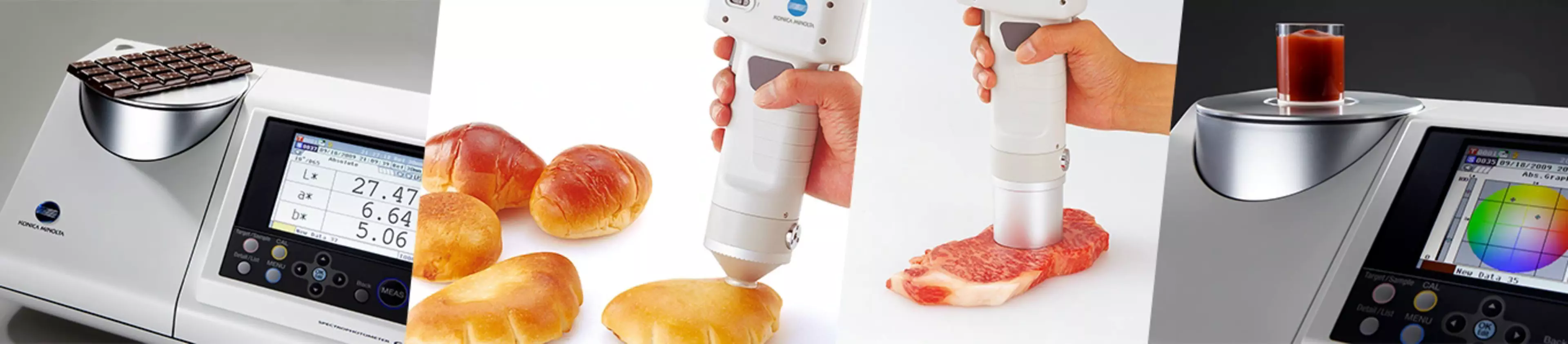
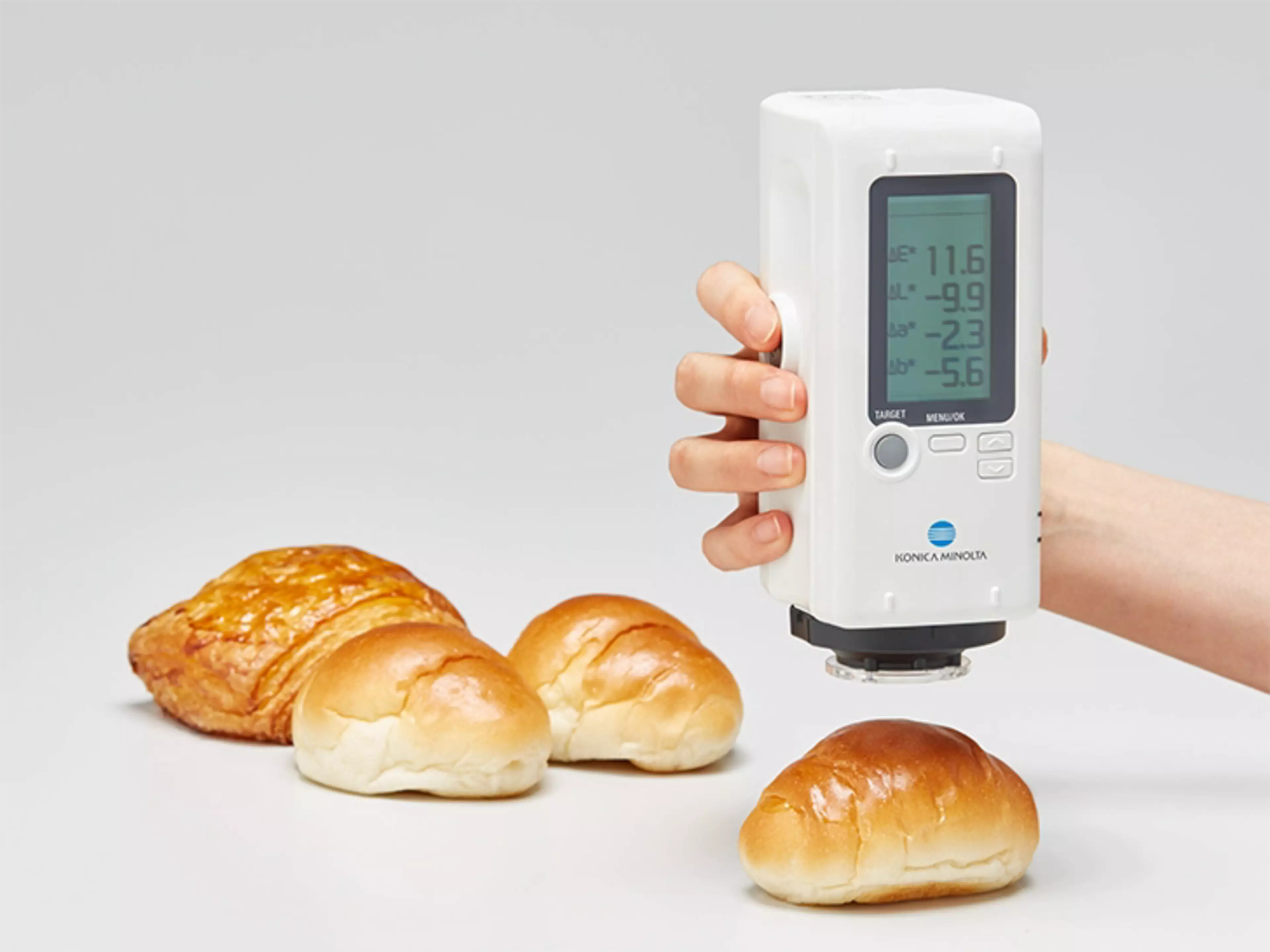
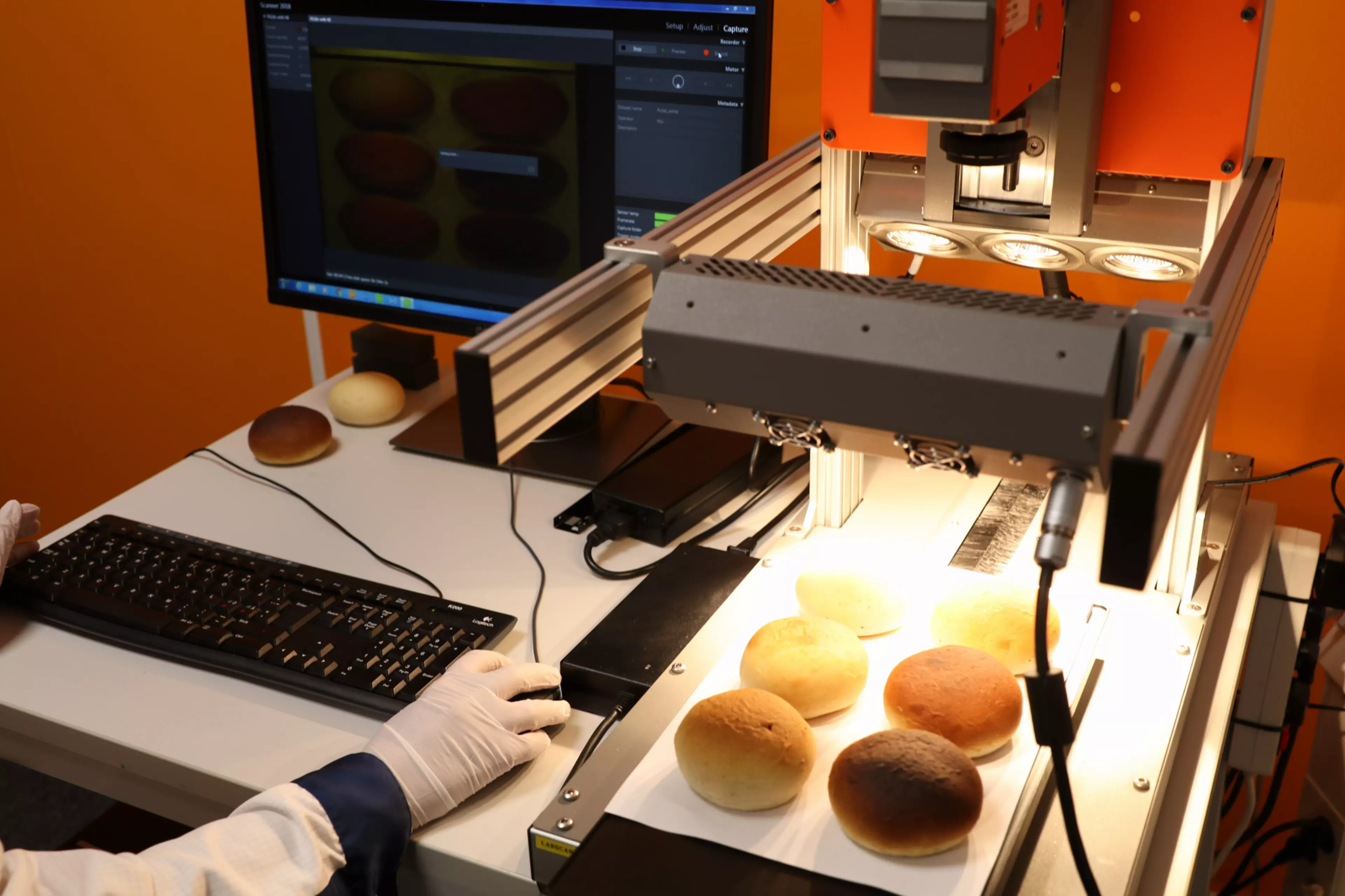
Colorimeters for colour control in the food industry
Compared to the variety of parameters which require analytical monitoring in a food laboratory, colour represents the only immediately apparent quality indicator and deserves the appropriate attention through objective and repeatable measurement of raw materials, production processes, and the final product.
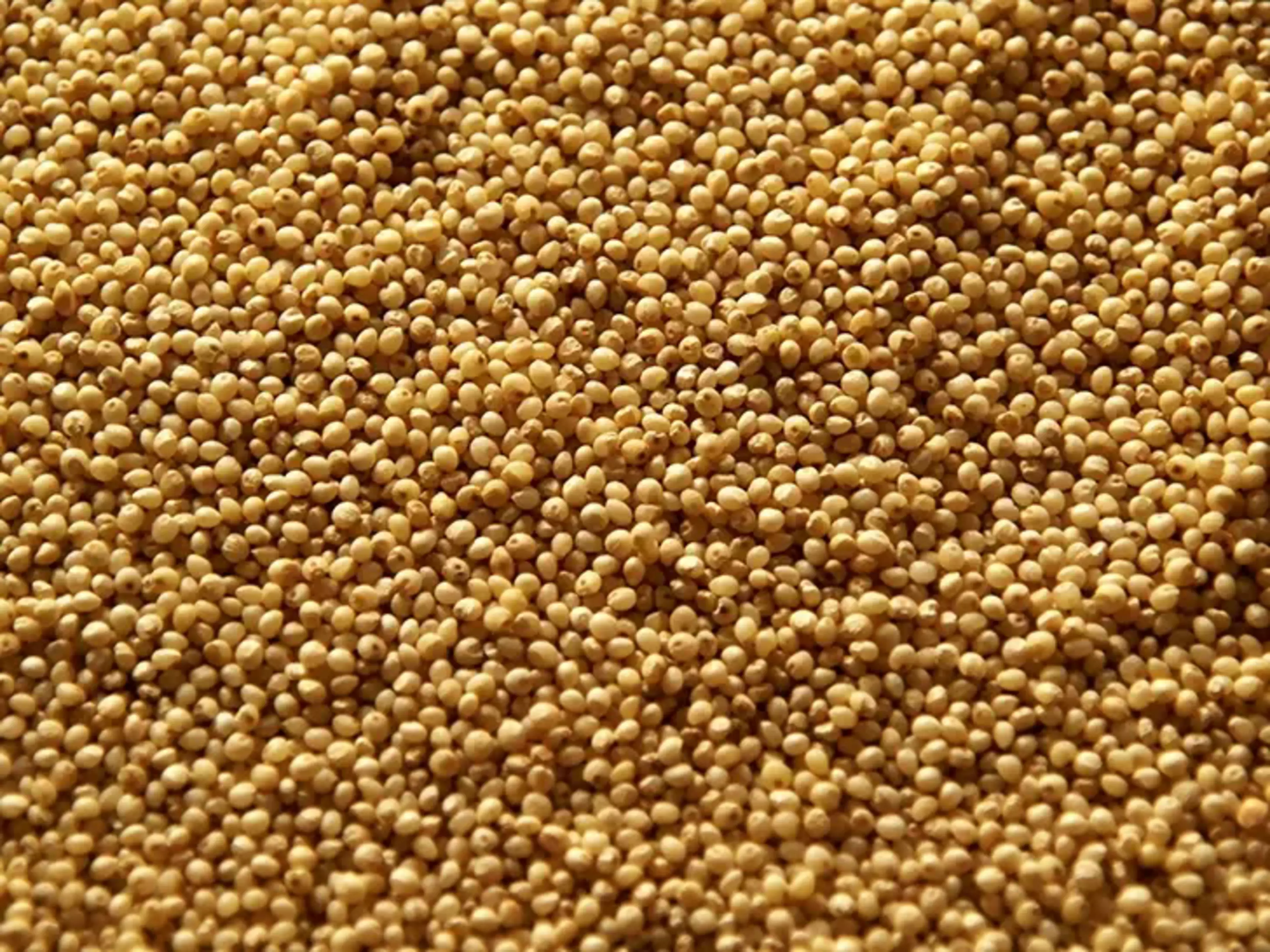
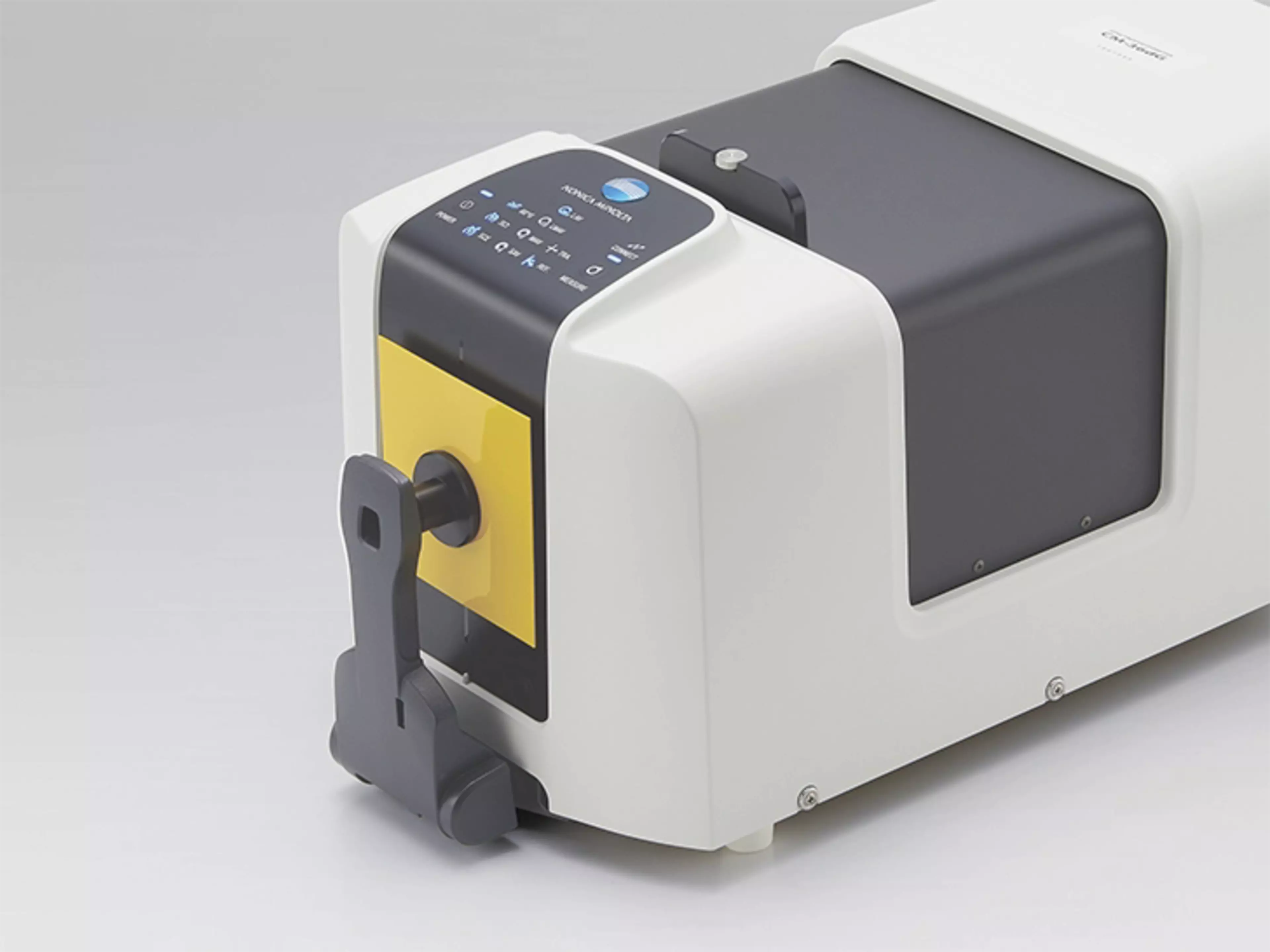
Colorimeters are widely used in the food industry for their simplicity, relative robustness and the ability to provide a larger measurement aperture than a comparable spectrophotometer, the end result for the operator is almost the same, colour data and colour difference information in easy to use, easy to understand CIELAB universal colour space. The filter-based colorimeter or chroma meter outputs CIELAB L*a*b* colour data and for most process or quality control applications in the food industry the tradeoff (single illuminant, no spectral reflectance data) is acceptable for the significant gains achieved through averaging a larger area in a single measurement. For in-homogeneous samples, beans, grains and much more the operator would need to measure significantly more times to achieve a representative average of the colour of the item, significantly extending the length of the process to achieve repeatable and representative data.
There are even colorimeters that are customised to specific food applications i.e. tomato measurement and coffee measurement, these devices use custom firmware that is specific to the indices used for those products or accessories that are purpose designed for repeatability of those samples.
Portable colorimeters reach their limitations with transparency. For most liquid, partially or fully transparent samples, the benchtop colorimeter CR-5 or spectrophotometer CM-5 will offer the best measurement process, measuring samples through an optical glass or disposable measurement cell of 2, 10 or 20mm depth. For most colour control in food and beverage applications the CR-5 is the economical choice.
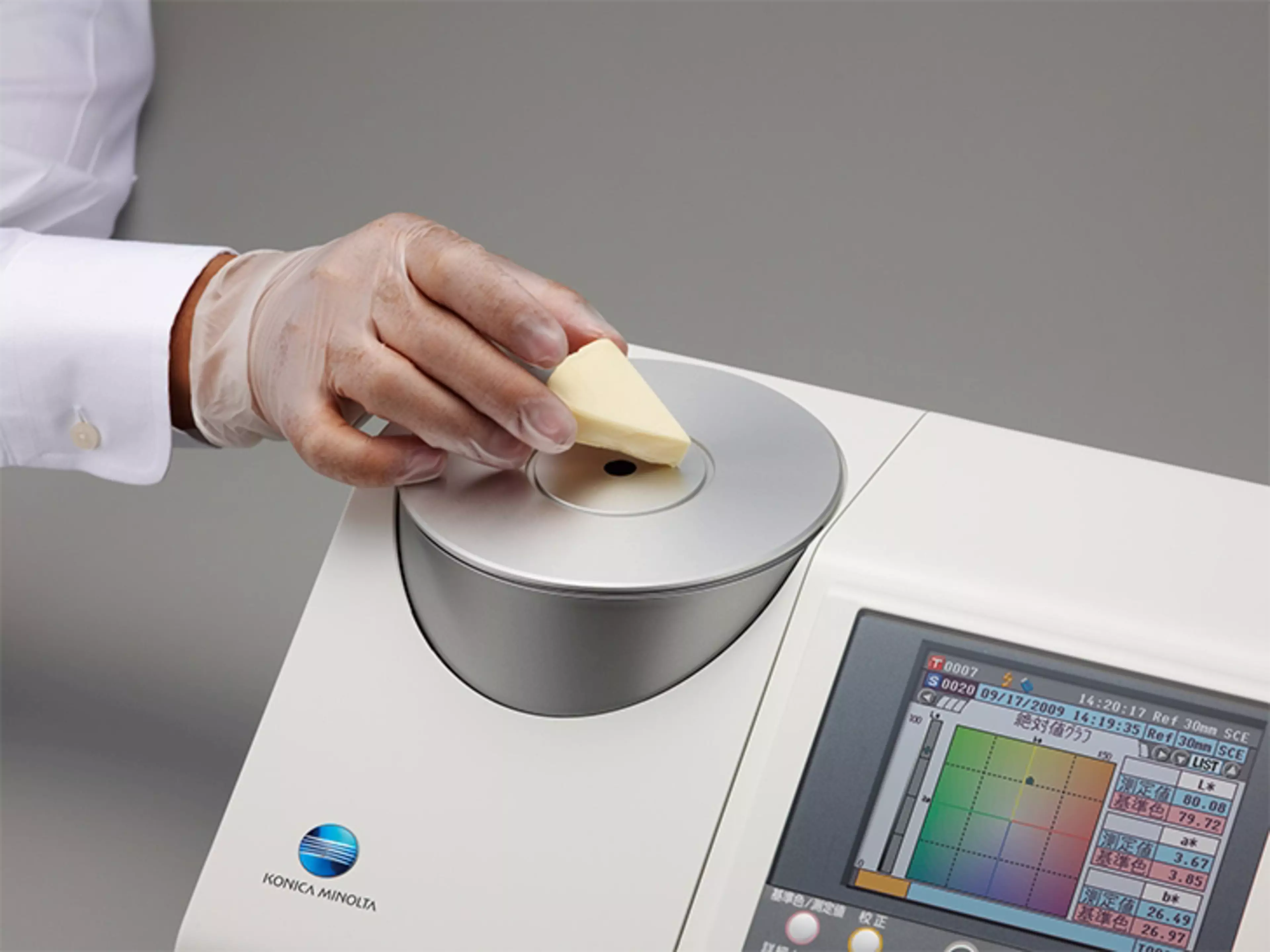
Colour communicates freshness, flavour, and quality
Key benefits of colour measurement for food and beverage producers
Improve shelf appeal
Produce products with appealing and consistent colours that will win attention from consumers on competitive supermarket shelves.
Faster and more repeatable QC
Visual colour charts are not only subjective but can also take longer than instrumental control. Instrumental measurement generates traceable and actionable data that is useful for scaling production, statistical analysis and more.
Reduce waste
By controlling ingredients and processes, production becomes more consistent. By understanding the impact on product appearance of aging and exposure to heat, food businesses can control and adapt to combat undesirable visual changes that lead to waste.
Improved process control
Controlling the colour of ingredients and the effect of processing means that colour measurement can act as a simple process control tool.
Comply with industry standards
Meet international and regional standards where colour is a key quality parameter. Objective colour data enables consistent, traceable assessment and reduces the risk of non-compliance or rejected goods.
Example applications of colour control in the food and beverage industry
Use a colour index as a signal of completed brewing
Establish a colour index for brewed or aged product that aids in process control by telling the sampler when a product is ready and has a colour as deep as expected.
Adapt production with colour targets for ingredients
Adapt production from one ingredient supplier to another or onboard new suppliers to expand production by establishing colour targets and tolerances for ingredient groups.
Use colour data to understand what consumers really like
Improve value and accuracy of data from consumer preference testing with colour data that can help identify just how red a tomato sauce should be or the most appealing pistachio green.
Eliminate subjectivity from grading using a colour index
Colour data measured against an index can improve the speed and accuracy of grading and sorting and QC, eliminating subjectivity and generating data for other controls or analysis.
Further information on colour measurement for specific food and beverage types
The links below will show you more application specific recommendations of products, accessories, software and approaches relevant to distinct areas of the food and beverage industry from each of these pages you can contact your local representative for advice or a quotation.