• Colour Measurement Solutions for the Textile Industry

    Accurate Colour data for Dyes, Clothing, Furnishings, Leather, and more

How is colour measurement used in the textile industry

The textile industry utilises colour data measured using benchtop and portable spectrophotometers to express the visual effect of products in a traceable and consistent way using colour data rather than (or at least as well as) sending physical samples, descriptions or subjective references. Colour data, measured and communicated within globally standardised colour spaces (i.e. CIELAB) means that development, production and QC of products can be faster, more repeatable/consistent and free from subjectivity. It is not only the colour before and during production that is measured, for technical textiles colour measurement is a vital part of durability testing such as lightfastness, rub resistance and was resistance whilst other textiles i.e. high visibility clothing have clearly defined standards that require traceable measurement with specific measurement geometry.

How colour measurement works in textile manufacturing

From the very start of the design and specification process, colour measurement and colour data helps designers, brands, purchasers to clearly specify visual appearance as a set of coordinates with a globally accepted colour space. From here, a producer can utilise spectral data to more accurately match the requested colour of the customer and return a sample to the customer with more information about feasibility and reproducibility and issues like metamerism. Spectrophotometers with UV control provide vital information to ensure accurate absolute measurements on fabrics with optical brighteners.

By measuring a range of lab matches and production samples, customers and producers can define and agree tolerances for a target colour. This significantly reduces subjectivity in approval processes and ongoing quality control. While visual assessment remains an essential part of the process, reflecting how products are ultimately perceived by the end user, instrumental measurement provides a consistent, objective and internationally traceable reference point for all parties.

Best practice combines both approaches. Controlled viewing conditions are critical for reliable visual assessment, and light cabinets are widely used to ensure samples are evaluated consistently under defined and repeatable illuminants. This allows manufacturers to assess colour under multiple lighting conditions and identify issues such as metamerism or inconsistency before products reach the market.

With evolving industry standards and the transition away from fluorescent-based lighting due to regulatory changes, modern LED light cabinet technologies are increasingly being adopted. When combined with spectrophotometers and digital colour data, they enable a more robust and connected workflow. This links subjective visual approval with objective measurement, improving accuracy, reducing disputes and streamlining global colour communication.

For textile testing in a laboratory environment a spectrophotometer and digital colour data software solution simplifies the process of traceable before and after measurements, often with data points gathered over longer testing cycles, ensuring that the colour remains unaffected and uniform during its lifecycle. Here instrumental measurement can help generate actionable data in line with industry standards i.e. ISO105 Stain testing, Whiteness, Yellowness or any range of user generated indices.

Why colour control is critical in textile manufacturing

Colour control is a vital tool in the textile industry, whether for garments where colour is often a primary attribute, or for other products such as carpets, leather upholstery, tarpaulins, sails, etc., where colour may be of secondary importance.

Colour data when integrated into development and QC helps producers to cost effectively produce products with a consistent appearance from batch to batch, from factory to factory or substrate to substrate.

This is important as customers perceive consistency as a sign of quality which improves the economic and perceptual value of products. Digital colour data helps organisations to repeatably, and cost effectively meet customer and consumer expectations of quality.

Colour data is also vital in reducing waste of time, resources and rejects, by agreeing specifications and measurement conditions digital standards and colour tolerances can help quality teams to quickly and empirically validate the colour of finished products, understanding and reporting any colour difference from the expected target no matter how small.

Technologies used for colour measurement and control in the textile industry

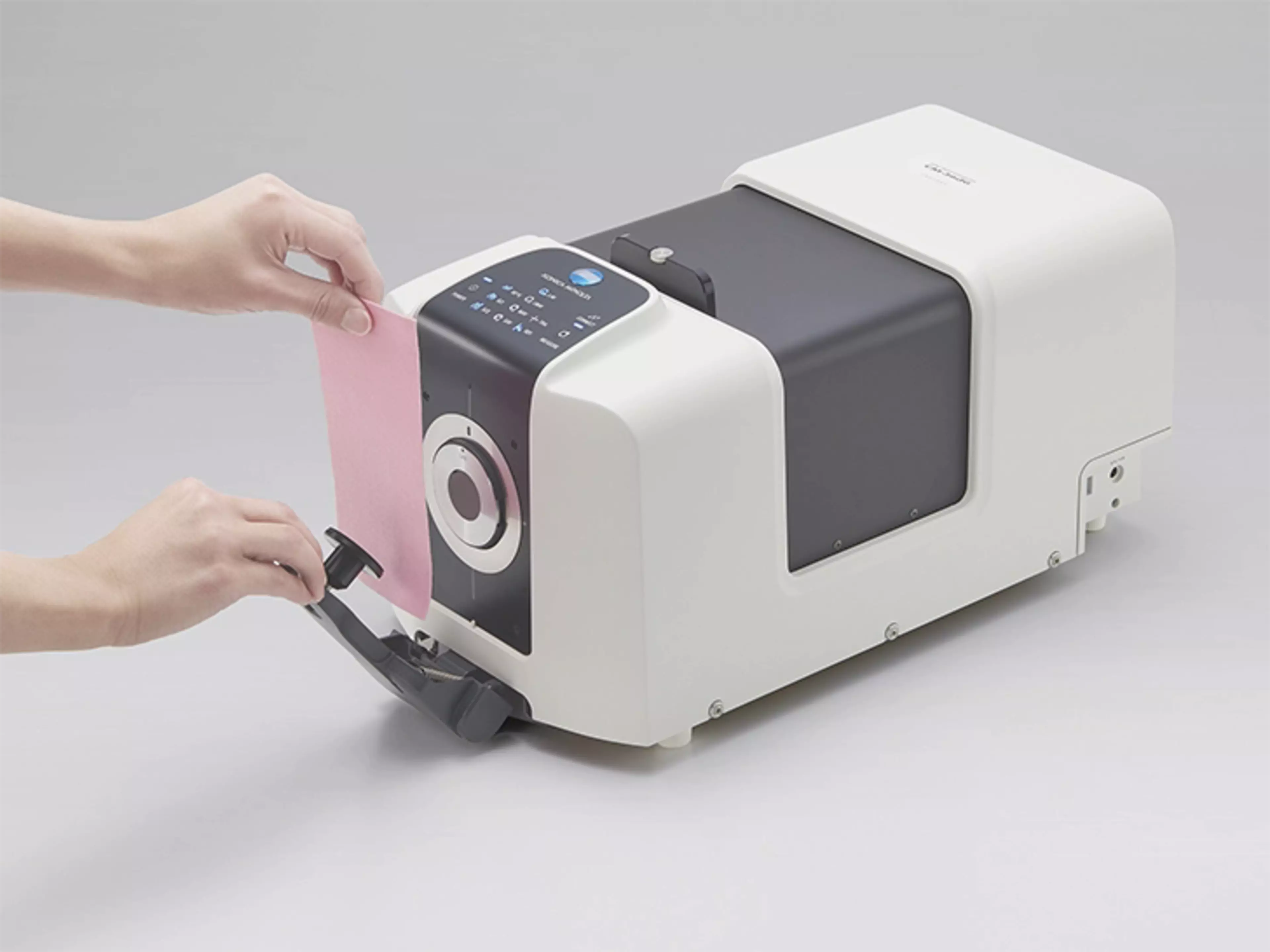
Konica Minolta offers traceable and trusted measurement technology for the textile industry, including both benchtop and portable spectrophotometers and colour quality control software.

Ergonomic portable spectrophotometers

Portable devices such as the CM-26d with sample viewer window, UV control and dual measurement aperture or the CM-25cG with geometry suited to high visibility textiles and more structured samples like some leather products provide the user with the possibility to move to the sample on their own or a suppliers production site.

Versatile benchtop spectrophotometers

Benchtop instruments such as the CM-36dG may provide slightly better repeatability or a better experience if constant connection to software for matching or reporting is required. Benchtop instruments also offer larger measurement apertures which can average larger areas for some tests and the latest models from Konica Minolta integrate a camera viewfinder for accurate sample positioning. An instrument such as the CM-3700APlus for some will be better suited for achieving the highest possible accuracy or inter instrument agreement throughout a network of measuring instruments.

Light Cabinets (without fluorescent tubes)

Konica Minolta Sensing also supply a range of controlled lighting colour viewing cabinets to ensure that human assessment of samples can be performed in accordance with industry best practice.

You will find more information about the products recommended for specific industry applications in the specific solutions sections

Spectrophotometers for textile production and quality control

  • Spectral reflectance data measured with a spectrophotometer allows producers and brands to precisely communicate, tolerance, check and approve a colour in a way more accurately than possible with human vision and language.
  • Colour measurement using a spectrophotometer will allow producers to produce a consistent product with control of optical brighteners.
  • Spectrophotometers are necessary for predicting or identifying metamerism or colour inconstancy in samples (you can learn more about metamerism and other colour theory topics in our Learning Centre or the Konica Minolta YouTube channel).

The application specialists at Konica Minolta have a vast experience of delivering successful measurement and control systems for textiles and will work with you to find the right spectrophotometer for your needs.
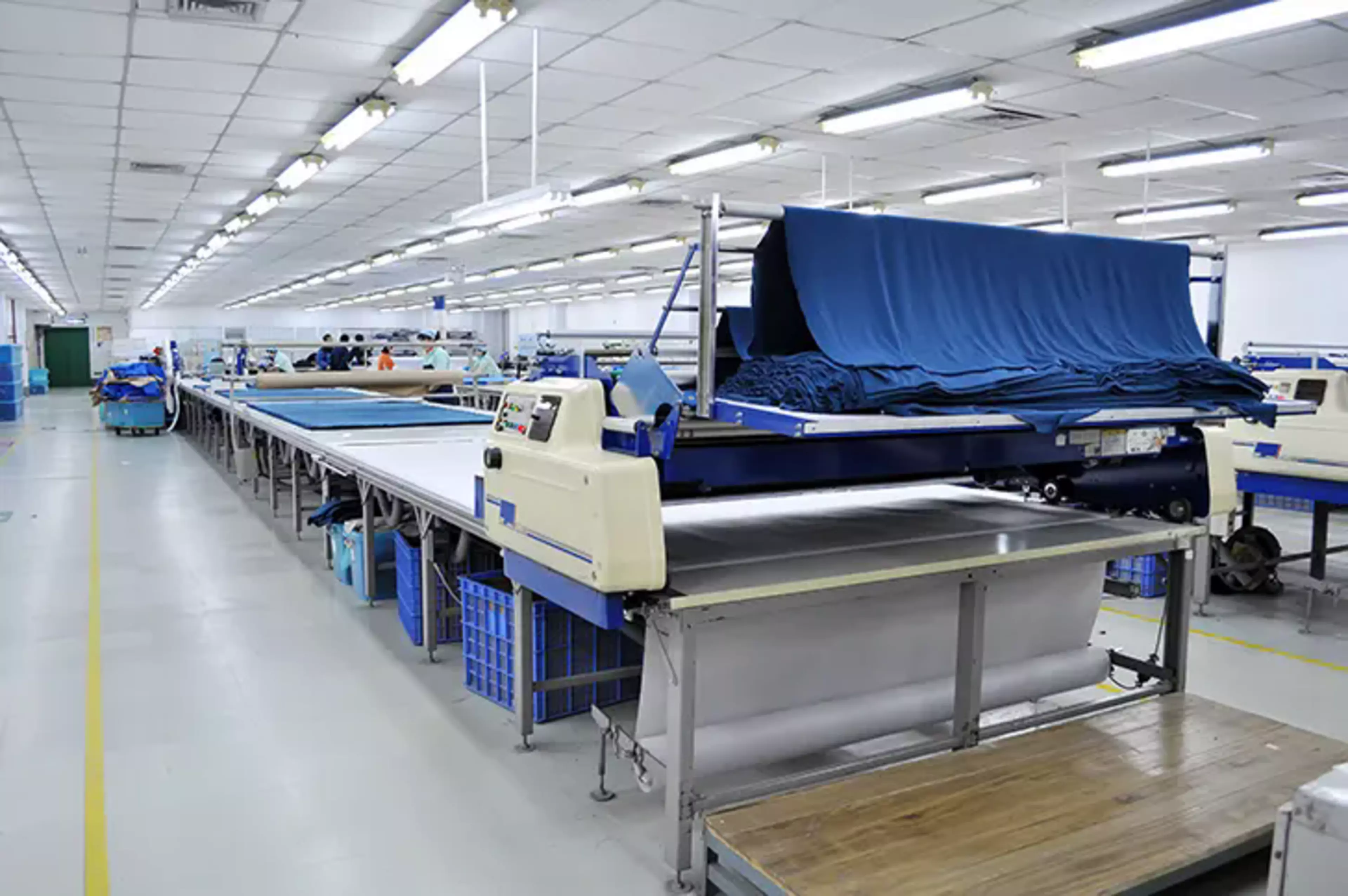
Colour quality control allows an organisation to offer the colours that customers want and deliver the most consistent experience for customers.

Why choose Konica Minolta for textile colour measurement

Konica Minolta has a global reach, with local sales and expertise to assist you in establishing a successful digital colour data system. Whether between supply chain partners, in development, in production or in QC, our teams can deliver a solution that meets your needs, and partner with you to scale that system as those requirements grow. Our solution is supported by a dedicated team experienced in installation, training, and customization of the solution to optimise your colour workflows.

Konica Minolta products are supported by an extensive network of authorised service facilities to ensure that your instrument is maintained, accurate, and traceable all year round.

Key Benefits of Textile Colour Measurement

Improve batch to batch colour consistency:

Batch to batch consistency improves customer and end user's satisfaction and perception of quality, reducing returns and waste.

Improve customer satisfaction:

Colour control and colour matching offer new possibilities for added value custom products, range extension, and a greater flexibility to meet customer orders. The ability to offer colour data and consistency to customers marks you as a reliable partner who offers an added value service.

Enable data-driven process and quality control:

Colour Measurement implemented throughout processes, such as washing, drying, stretching, dying, printing, etc., provides improved control over end product, saving costs and waste. Whilst clearly defined colour standards and tolerances reduce the impact of subjective human assessments in the specification and approval of products.

Applications of Colour Measurement in the Textile Industry

Production Quality Control (QC)

Establish a data driven QC system that improves approval speed and product sorting quickly using traceable data to identify out of specification product to reduce the cost and reputational impact of rejects.

Testing and Validation (wash and weather testing etc.)

Development teams and test houses can utilise colour measurement instruments for data driven colour testing, e.g., wash testing, light fastness, rub resistance

Colour database management

Build a database of colours and tolerances including brand colours, competitor colours, and supplier colour pallets.

Colour Measurement Solutions by Textile Type

The links below will show you more application specific recommendations of products, accessories, software and approaches relevant to distinct areas of the textile industry and contact your local representative for advice or a quotation.
Colour Measurement for DyesHeroSlider
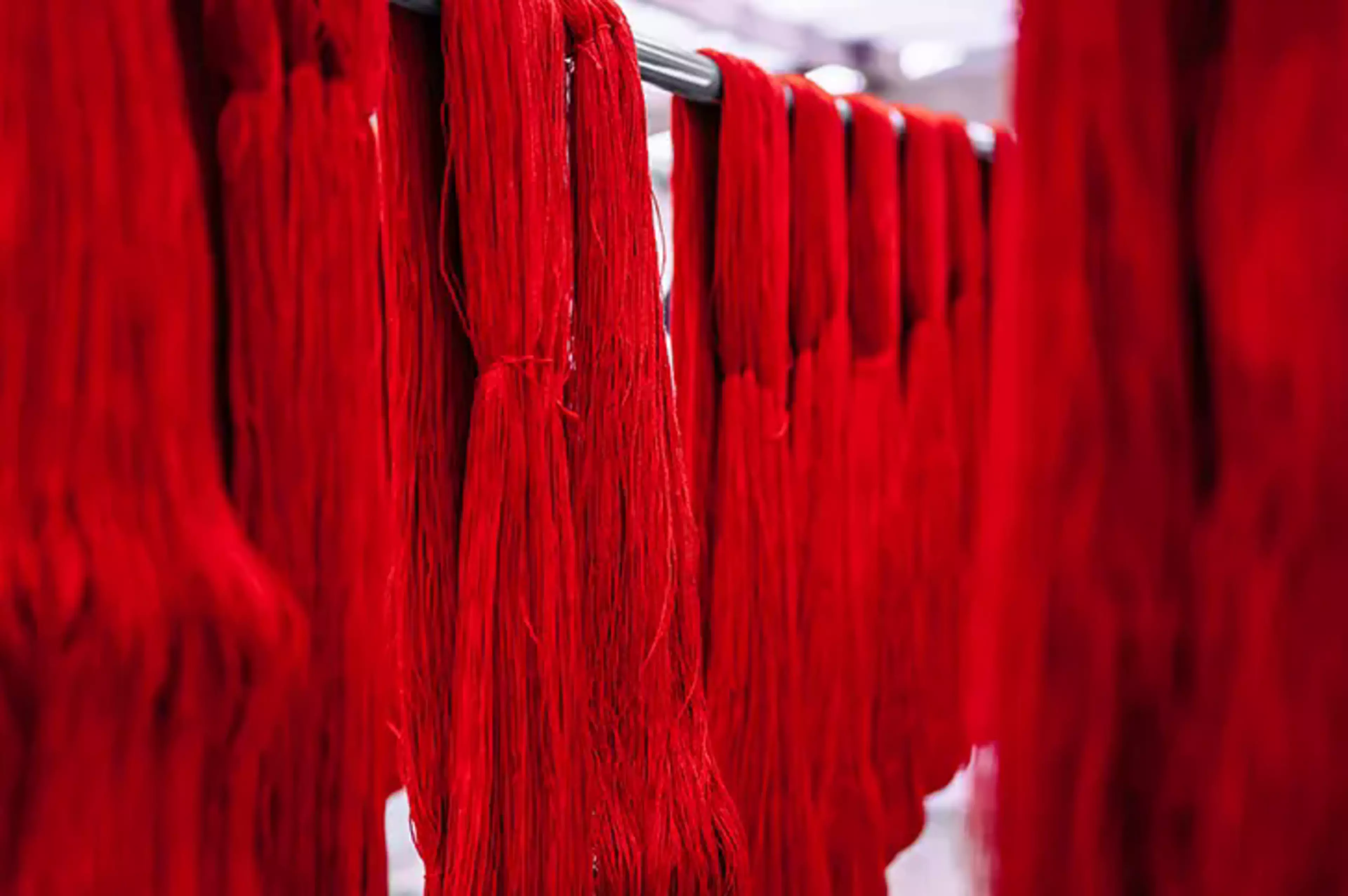
Colour Measurement for Dyes

Control of the colour of dyes: dosing and processing can all be achieved with the use of a spectrophotometer, allowing the operator to gather, analyse, and communicate data.

Colour Measurement for Clothing and FurnishingsHeroSlider
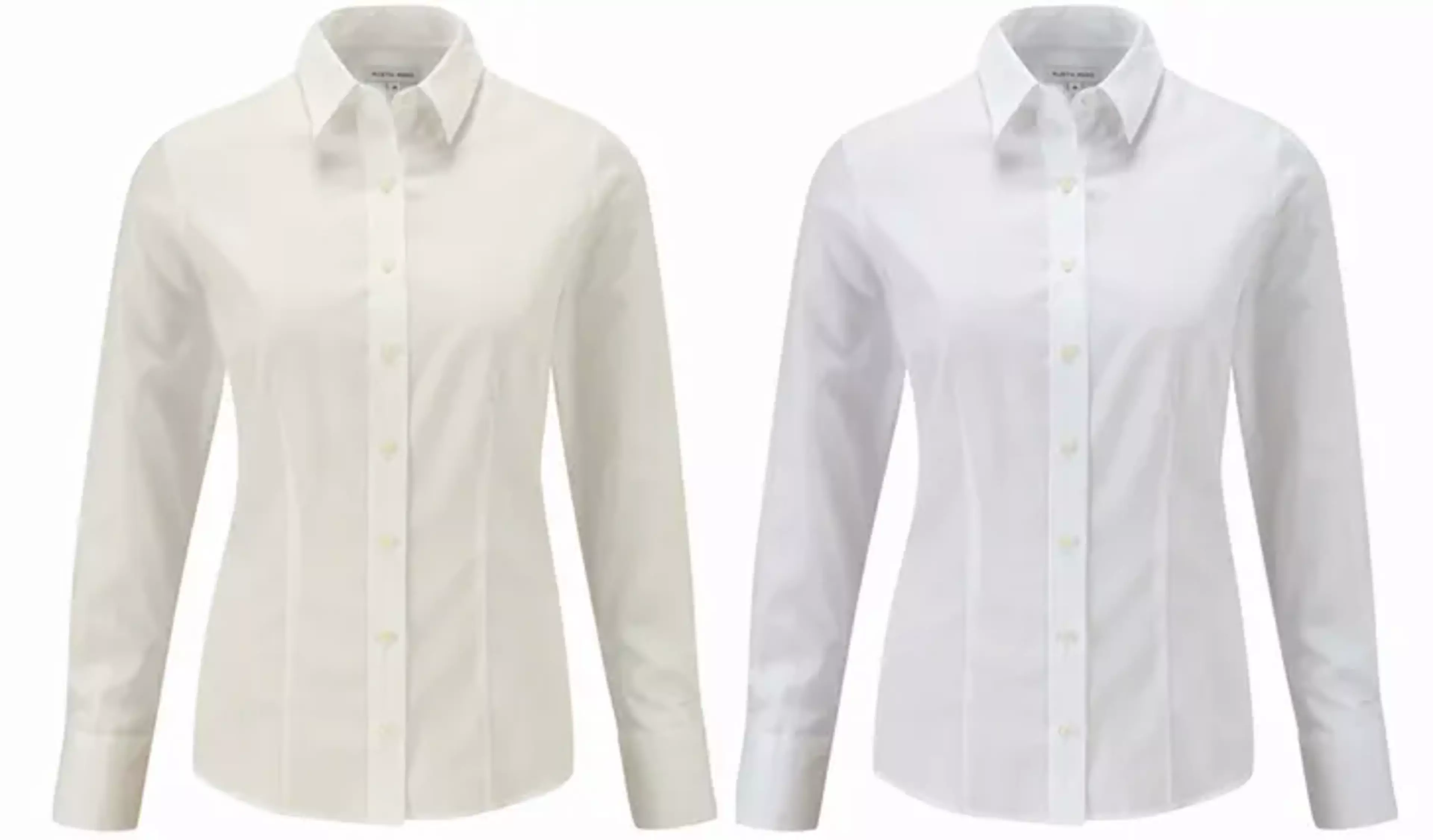
Colour Measurement for Clothing and Furnishings

Colour is a key consideration for the consumer when selecting clothing and homewares. Colour measurement technology supports manufacturers and brands in delivering consistent and quality products.

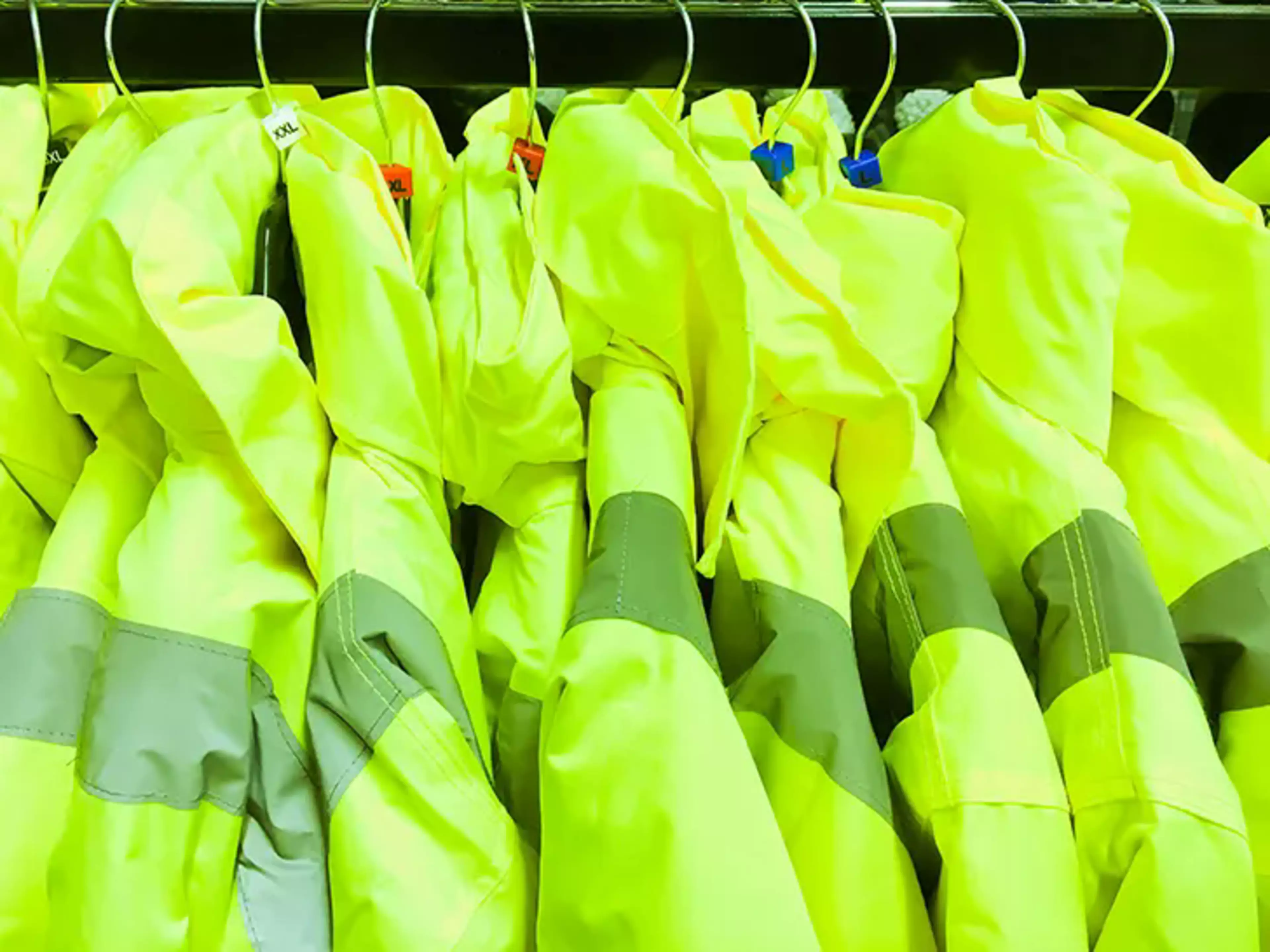
Colour Measurement for High Visibility TextilesHeroSlider
Colour Measurement for High Visibility Textiles

High visibility textiles must meet national and international standards to ensure that they perform correctly. This requires instruments with the correct measuring geometry.

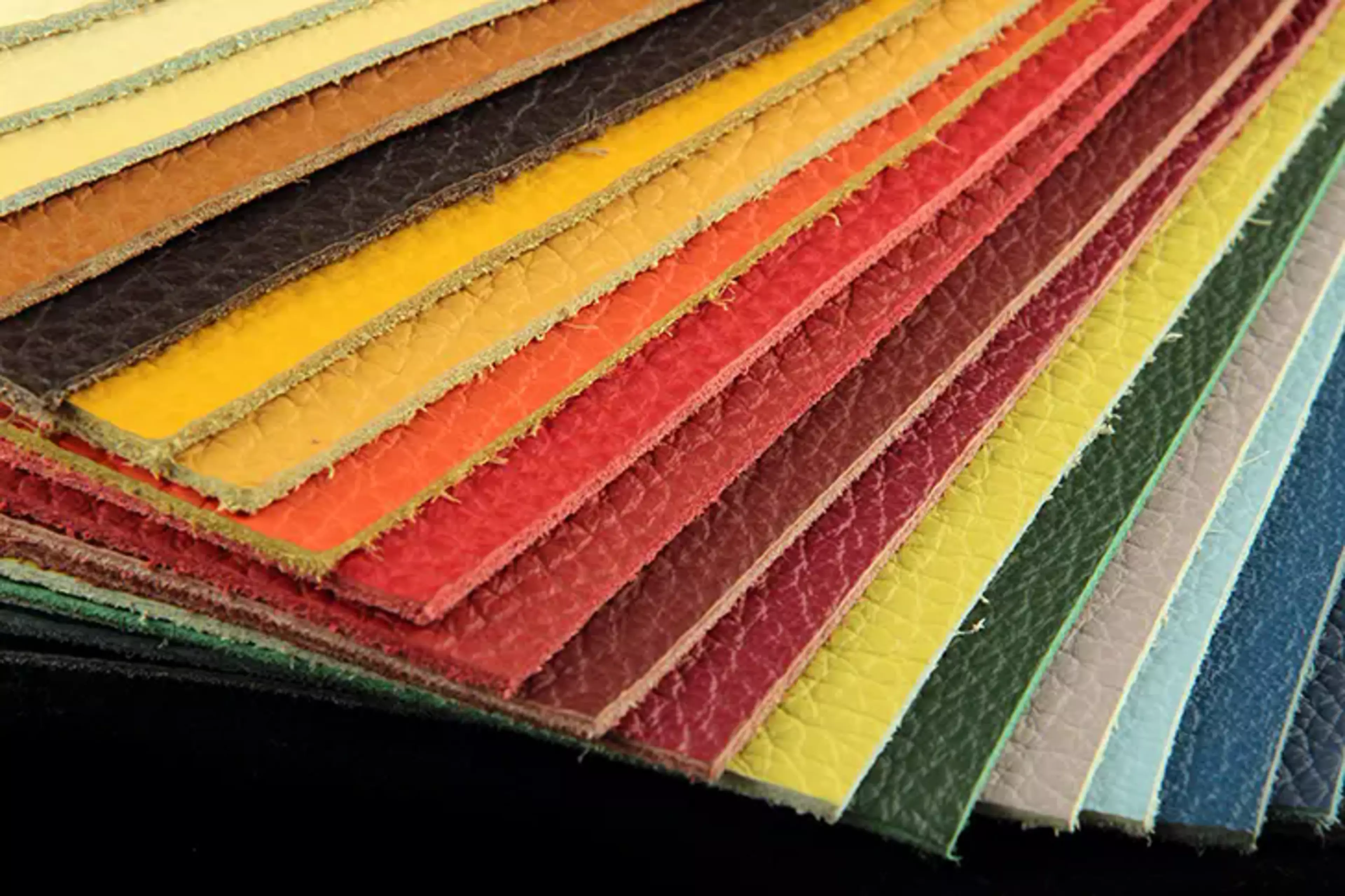
Colour Measurement for LeatherHeroSlider
Colour Measurement for Leather

Leather is commonly used in luxury products where the colour consistency and quality would be of critical importance. Colour management systems can assist in specifying and producing consistent and appealing colours.